For many, the aroma of freshly popped popcorn instantly evokes cozy movie nights and fun gatherings. But when it comes to bringing that cinematic experience home, the choice of popcorn maker can significantly impact your snack. Are you a fan of the rich, buttery flavor reminiscent of movie theaters, or do you prefer a lighter, healthier crunch? The answer often lies in understanding the core technologies: the classic stirring arm and the modern air vortex.
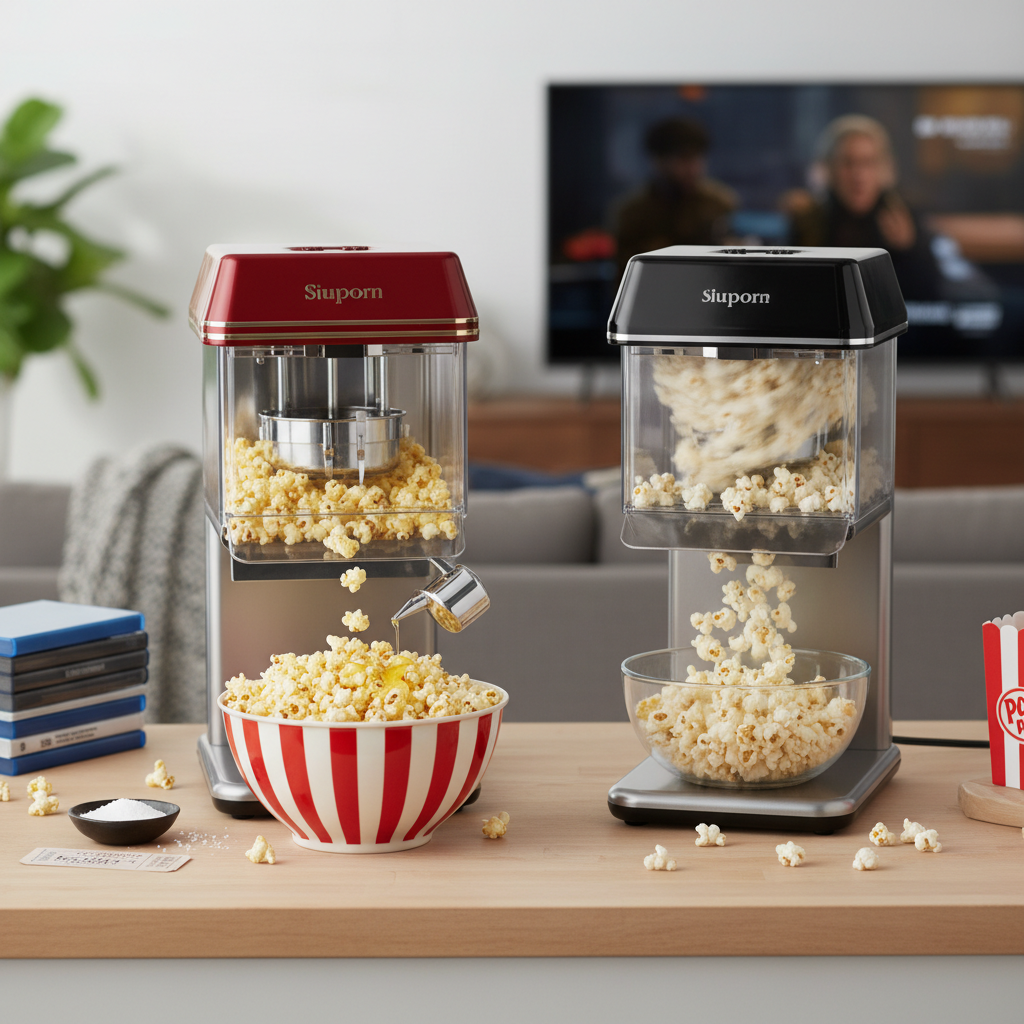
Popcorn makers have evolved significantly from the days of stovetop pots, offering convenient and consistent ways to create this beloved snack. These appliances bring the joy of homemade popcorn right to your kitchen, allowing you to control ingredients, experiment with flavors, and ensure freshness. But beneath their varied exteriors lie distinct popping mechanisms, each delivering a unique result. This article delves into the world of popcorn makers, dissecting the stirring arm and air vortex technologies to help you determine which one will deliver your ultimate popcorn experience.
Understanding Popcorn Makers
A popcorn maker is a kitchen appliance designed specifically to pop corn kernels, transforming them into the fluffy snack we all love. While the fundamental goal remains the same, the methods employed vary, leading to different characteristics in the final product. Historically, popcorn was made over an open fire or stovetop, but modern innovations have streamlined the process, making it faster, safer, and more accessible.
Today, the market is primarily dominated by two distinct technologies: stirring arm (often oil-based) and air vortex (hot air) poppers. Each uses a different approach to heat the kernels and facilitate popping, influencing everything from flavor and texture to cleanup and health considerations. Understanding these underlying mechanisms is crucial for any popcorn enthusiast.
Benefits of Using a Popcorn Maker
Owning a dedicated popcorn maker offers a myriad of advantages over pre-packaged microwave bags or stovetop methods. Foremost among these is unparalleled convenience and speed, transforming dry kernels into a delicious snack in just minutes. Beyond mere efficiency, using a popcorn maker allows for complete control over the quality and ingredients. You can select your preferred type of kernels, choose specific oils or seasonings, and avoid the artificial additives often found in store-bought options.
This control extends to food safety and hygiene, as you know exactly what goes into your snack and can maintain a clean appliance. The result is consistently fresh, aromatic, and perfectly popped kernels, whether you crave a light, airy treat or a rich, buttery indulgence. A good popcorn maker ensures every batch is a crisp, satisfying experience, tailored exactly to your taste.
Deep Dive into Popcorn Maker Technologies
The two leading technologies in home popcorn making, stirring arm and air vortex, each offer a distinct approach to achieving that perfect pop. Your preference for taste, health, and convenience will largely guide your choice between them.
Stirring Arm Popcorn Makers (Oil Poppers)
Stirring arm popcorn makers, commonly known as oil poppers, often evoke the nostalgic feeling of movie theater popcorn. These machines typically feature a heated plate or a kettle with a motorized stirring rod that continuously moves the kernels and oil, ensuring even heat distribution and preventing burning. This constant motion is key to their effectiveness.
Advantages:
- Superior Flavor and Texture: Many connoisseurs argue that oil-popped corn offers a richer, more authentic movie theater taste. The oil contributes to a crispier texture and helps seasonings adhere better.
- Fewer Unpopped Kernels: The consistent stirring and presence of oil help virtually every kernel pop, minimizing waste.
- Better Butter Integration: When butter is added during or immediately after popping, it melts more evenly and coats the popcorn more thoroughly.
Disadvantages:
- Cleanup Can Be Messy: These units often get quite hot, and cleaning the oil residue from the stirring arm, plate, and bowl can be more involved compared to hot air poppers.
- Uses Oil: For those looking for a healthier, fat-free snack, the need for oil is a drawback.
- Slightly Slower Popping: While still quick, they are generally not as fast as their hot air counterparts.
|
Our Picks for the Best Popcorn maker in 2026
As an Amazon Associate I earn from qualifying purchases.
|
||
| Num | Product | Action |
|---|---|---|
| 1 | VEVOR Commercial Popcorn Machine, 8 Oz Kettle, 850 W Countertop Popcorn Maker for 48 Cups per Batch, Theater Style Popper with 3-Switch Control Steel Frame Tempered Glass Doors 2 Scoops 2 Spoons, Red |

|
| 2 | DASH Fresh Pop Popcorn Maker - Oil-Free, Air Popcorn Popper - With Measuring Cup & Recipe Guide - Perfect for Movie Nights - 16 Cups, Aqua |
|
| 3 | Ecolution Patented Micro-Pop Microwave Popcorn Popper with Temperature Safe Glass, 3-in-1 Lid Measures Kernels and Melts Butter, Made Without BPA, Dishwasher Safe, 3-Quart, Red |
|
| 4 | Elite Gourmet EPM330M Automatic Stirring 12-cup Popcorn Maker Popper, Hot Oil Popcorn Machine w/Measuring Cap & Built-in Reversible Serving Bowl, Great for Home Party Kids, Safety ETL Approved, Mint |
|
| 5 | Presto 04863 Poplite Hot Air Popcorn Popper - Built-In Measuring Cup + Melts Butter, Easy to Clean, Built-In Cord Wrap, 18 Cups, Red |
|
| 6 | West Bend Stir Crazy Movie Theater Popcorn Popper, Gourmet Popcorn Maker Machine with Nonstick Popcorn Kettle, Measuring Tool and Popcorn Scoop for Popcorn Machine, 4 Qt., Black |
|
| 7 | Elite Gourmet EPM145M 18-cup Hot Oil Stirring Popcorn Popper w/Measuring Cap & Reversible Serving Bowl & Butter Melting Tray, Great for Parties, Movie Night, Anytime Snack, Safety ETL Approved, Mint |
|
| 8 | West Bend Stir Crazy Hot Oil Popcorn Popper, Popcorn Maker Machine with Large Serving Bowl Lid and Stirring Rod Perfect for Movie Night Snack Time or Parties, 6-Quart, Red |
|
| 9 | DASH Fresh Pop Popcorn Maker - Oil-Free, Air Popcorn Popper - With Measuring Cup & Recipe Guide - Perfect for Movie Nights - 16 Cups, White |
|
| 10 | Original Whirley Pop Popcorn Machine – 3-Minute Stovetop Popcorn Maker for Home Movie Snacks & Game Night – Wabash Valley Farms – Aluminum Pot With Nylon Gears – (Silver) |
|
Air Vortex Popcorn Makers (Hot Air Poppers)
Air vortex popcorn makers, or hot air poppers, prioritize speed and health by eschewing oil altogether. These machines use a powerful stream of hot air to circulate and pop the kernels. The heated air creates a “vortex” effect, causing the kernels to tumble and heat evenly until they burst.
Advantages:
- Healthier Option: By eliminating the need for oil, hot air poppers produce a virtually fat-free snack, making them ideal for health-conscious individuals.
- Rapid Popping: Hot air poppers are remarkably fast, often producing a batch in just 2-3 minutes.
- Easier Cleanup: Generally, cleanup involves simply emptying unpopped kernels and wiping down the butter melting tray (if applicable), as there’s no sticky oil residue to contend with.
Disadvantages:
- Different Taste Profile: Without oil, the popcorn tends to be lighter and drier, which some find less flavorful or satisfying than oil-popped corn.
- Seasoning Adherence Issues: Salt and other powdered seasonings may not stick as well to the dry, oil-free surface of the popcorn.
- Butter Melting Challenges: While many hot air poppers include a butter melting tray, the popcorn often pops so quickly that the butter doesn’t have ample time to fully melt and distribute evenly.
- Potential for More Unpopped Kernels: Some models may leave a few more unpopped kernels compared to efficient stirring arm machines.
- Quicker Staling: Air-popped corn can go stale slightly faster due to its dry nature.
Comparative Analysis: Stirring Arm vs. Air Vortex
Choosing between a stirring arm and an air vortex popcorn maker often comes down to a few key preferences. Here’s a detailed comparison to help you weigh your options:
| Feature | Stirring Arm Popcorn Makers | Air Vortex Popcorn Makers |
|---|---|---|
| Popping Mechanism | Heated plate/kettle with motorized stirring rod, uses oil. | Hot air circulation creates a vortex, no oil needed. |
| Taste & Texture | Rich, buttery, crispy, theater-style flavor. | Lighter, drier, fluffier, more neutral taste. |
| Health Considerations | Uses oil, generally higher in fat and calories. | Oil-free, significantly healthier, lower in fat. |
| Popping Speed | Fast, but typically slightly slower than hot air poppers. | Very fast, often 2-3 minutes per batch. |
| Cleanup | More involved due to oil residue on components. | Generally easier, minimal residue, just wipe down. |
| Unpopped Kernels | Very few, efficient popping due to continuous stirring. | Can have slightly more unpopped kernels. |
| Seasoning Adherence | Excellent, oil helps salt and seasonings stick well. | Poorer, seasonings may not stick without added oil/butter. |
| Overall User Experience | More hands-on, traditional feel, authentic flavor. | Quick, convenient, low-fuss, health-focused. |
Recommendation for Different Needs:
- For the “Movie Theater Experience” Fanatic: A stirring arm popcorn maker is likely your best bet for that authentic, buttery flavor and crispy texture.
- For the Health-Conscious Individual: An air vortex popper is superior, offering a guilt-free snack without added fats.
- For Busy Households Prioritizing Speed: Hot air poppers deliver popcorn incredibly quickly, perfect for a fast snack.
- For Easy Cleanup: Air vortex machines typically win in this category due to their oil-free operation.
“The choice between a stirring arm and air vortex truly defines your popcorn journey. Do you chase the rich, nostalgic flavor, or the swift, health-conscious crunch?” – Admin, ReviewHubz.com, Home Appliance Technician
Key Factors When Choosing Your Popcorn Maker (Buying Guide)
Beyond the core technology, several practical considerations should guide your decision when purchasing a popcorn maker. Thinking about these factors will ensure you select a machine that perfectly fits your lifestyle and popping habits.
Popping Capacity and Speed
Consider how much popcorn you typically make. Are you popping for a solo snack, a family movie night, or a large gathering?
- Capacity: Popcorn makers come in various capacities, often measured in cups of unpopped kernels or quarts of popped corn. A 6-quart stirring arm popper is common for families, while smaller air poppers might suffice for 1-2 people.
- Speed: While both types are quick, hot air poppers are generally faster. If speed is paramount for your busy schedule, prioritize an efficient hot air model.
Material and Durability
The construction materials of your popcorn maker are crucial for both longevity and safety.
- Stirring Arm: Look for non-stick surfaces on the popping plate or kettle for easier cleaning, and sturdy stirring rods, often made of stainless steel.
- Air Vortex: These are typically simpler, often with plastic or metal housings. Ensure the plastic is BPA-free and heat-resistant.
- Overall Build: A robust construction means your appliance will withstand frequent use.
Features
Modern popcorn makers come with a variety of features that enhance convenience and safety.
- Automatic Shut-off: A vital safety feature that prevents overheating.
- Non-stick Coating: Especially important for stirring arm poppers to facilitate cleanup.
- Easy-to-Clean Components: Removable parts, dishwasher-safe bowls, and accessible surfaces make maintenance a breeze.
- Butter Melting Tray: Common on air poppers, allowing you to melt butter while the corn pops.
- Compact Design: If kitchen counter space is limited, look for a smaller footprint or stackable designs.
Brand and Price
The market offers a range of popcorn makers from various brands, each with its own reputation and price point.
- Reputable Brands: Companies like West Bend (Stir Crazy), Presto (PopLite), and Dash are well-known for their quality popcorn makers. Researching brand reviews can provide insights into reliability and customer satisfaction.
- Price Range: Popcorn makers vary widely in price, from budget-friendly hot air models under $30 to more elaborate stirring arm or commercial-style machines that can cost upwards of $100. Balance your budget with the features and durability you require.
Top Popcorn Makers: A Glance at Popular Models
While specific product models can change, understanding the popular archetypes within each technology helps in making an informed choice.
For Stirring Arm Popcorn Makers, models like the West Bend Stir Crazy are perennial favorites. These machines are celebrated for their ability to produce large batches of consistently delicious, evenly popped corn with minimal unpopped kernels. They often feature a non-stick popping plate and a clear lid that doubles as a serving bowl, making the process both efficient and fun. Their reputation for delivering a classic, buttery flavor profile keeps them a top choice for traditionalists.
In the realm of Air Vortex Popcorn Makers, the Presto PopLite and Dash Hot Air Popcorn Maker frequently stand out. These compact and speedy appliances are lauded for their oil-free operation, making them excellent for quick, healthy snacks. They are incredibly user-friendly, typically requiring just kernels to operate, and clean up is usually a breeze. While they produce a drier popcorn, their speed and health benefits make them immensely popular among those seeking a lighter alternative.
Both categories offer reliable options, with brands focusing on either replicating the theater experience or providing a modern, healthy convenience.
Tips for Using and Maintaining Your Popcorn Maker Correctly
To ensure your popcorn maker delivers perfect batches every time and lasts for years, proper usage and maintenance are essential.
Using Your Popcorn Maker Safely and Effectively:
- Read the Manual: Always start by consulting your specific model’s instruction manual for precise operating procedures, capacity limits, and safety warnings.
- Use Quality Kernels: Fresh, high-quality popcorn kernels are crucial for optimal popping. Store them in an airtight container in a cool, dark place.
- Correct Measurements: Do not overfill your machine. Follow the recommended kernel measurements to prevent overflow and ensure efficient popping.
- Oil (for Stirring Arm): If using a stirring arm popper, use a high smoke point oil like coconut, canola, or vegetable oil. Avoid butter or low smoke point oils in the popping chamber, as they can burn.
- Preheating (Optional for some): Some stirring arm poppers benefit from a brief preheat with oil before adding kernels. Hot air poppers generally do not require preheating.
- Avoid Additives in Popping Chamber (Air Poppers): Do not add butter, oil, or seasonings directly into the kernel chamber of a hot air popper; this can damage the machine. Add them after popping.
Cleaning and Storing Your Popcorn Maker:
- Unplug and Cool: Always unplug the appliance and allow it to cool completely before cleaning.
- Stirring Arm Poppers:
- Wipe down the non-stick popping plate/kettle with a damp cloth and mild dish soap.
- Carefully clean the stirring rod, ensuring no kernel or oil residue remains.
- The serving bowl (if detachable) can usually be washed with warm, soapy water or placed in the dishwasher if indicated by the manufacturer.
- Air Vortex Poppers:
- Simply wipe the interior and exterior with a damp cloth.
- Empty any unpopped kernels from the popping chamber.
- Clean the butter melting tray (if present) with warm, soapy water.
- Avoid Abrasives: Do not use abrasive scrubbers or harsh chemicals that could damage non-stick coatings or plastic surfaces.
- Dry Thoroughly: Ensure all parts are completely dry before reassembling or storing to prevent mildew or damage.
- Proper Storage: Store your popcorn maker in a clean, dry place. If it has a lid that doubles as a serving bowl, store it with the lid on to protect the interior.
By adhering to these guidelines, you’ll not only enjoy consistently great popcorn but also extend the life of your appliance, making every movie night a success.
Conclusion
Choosing the ideal popcorn maker boils down to your personal preferences for taste, health, and convenience. The stirring arm popper excels at delivering that rich, buttery, theater-style flavor, perfect for those who prioritize indulgence and don’t mind a little extra cleanup. In contrast, the air vortex popper offers a fast, healthier, and easier-to-clean alternative, ideal for a quick, oil-free snack. Both technologies promise fresh, homemade popcorn, transforming your snack routine.
Whether you lean towards the traditional crispness of an oil-popped batch or the lighter, guilt-free crunch of hot air, a dedicated popcorn maker is a worthy addition to any kitchen. Which popcorn maker technology aligns best with your perfect movie night experience?
Frequently Asked Questions
Is a stirring arm popcorn maker healthier than an air vortex popper?
Generally, no. An air vortex (hot air) popcorn popper is healthier as it uses no oil, resulting in a fat-free snack. Stirring arm poppers, which are oil-based, naturally add fat and calories to the popcorn.
Why does hot air popcorn taste different from oil-popped popcorn?
Hot air popcorn tastes different primarily because it’s popped without oil, making it lighter and drier. The absence of oil means a less rich, less buttery flavor and a different texture compared to corn popped in a stirring arm machine with oil.
Can I use butter or oil directly in an air popper’s kernel chamber?
No, you should never add butter, oil, or seasonings directly into the kernel chamber of an air vortex (hot air) popper. This can damage the heating element and other internal components of the machine. Use the designated butter melting tray if your model has one, or add toppings after popping.
Which type of popcorn maker makes the crunchiest popcorn?
Stirring arm popcorn makers, which use oil, generally produce crunchier and crispier popcorn. The oil contributes to a more robust texture and helps achieve a uniform crispness across all kernels.
Are stirring arm popcorn makers difficult to clean?
Stirring arm popcorn makers can be more challenging to clean than air poppers due to oil residue. Components like the popping plate, stirring arm, and sometimes the lid may require more thorough wiping and scrubbing with soap and water to remove grease and unpopped kernel debris.