There’s nothing quite like the irresistible aroma of freshly popped corn, a quintessential snack for movie nights and gatherings. However, this delightful experience can quickly turn concerning if your air popper starts emitting an alarming burning plastic smell. This odor, while unsettling, often has identifiable causes and practical solutions. Understanding why your trusted appliance might be producing this unpleasant scent is the first step toward enjoying perfect, plastic-free popcorn once again. This guide will explore the common culprits behind the burning plastic smell and provide you with actionable steps to troubleshoot, clean, and maintain your air popper, ensuring both safety and delicious results.
The Mystery Unraveled: Common Causes of the Burning Plastic Smell
The smell of burning plastic from your air popper can stem from several sources, ranging from benign initial use phenomena to more serious issues. Pinpointing the exact cause is crucial for effective resolution.
New Appliance Odor: The “Break-In” Period
|
Our Picks for the Best Popcorn maker in 2026
As an Amazon Associate I earn from qualifying purchases.
|
||
| Num | Product | Action |
|---|---|---|
| 1 | Elite Gourmet EPM330M Automatic Stirring 12-cup Popcorn Maker Popper, Hot Oil Popcorn Machine w/Measuring Cap & Built-in Reversible Serving Bowl, Great for Home Party Kids, Safety ETL Approved, Mint |

|
| 2 | VEVOR Commercial Popcorn Machine, 8 Oz Kettle, 850 W Countertop Popcorn Maker for 48 Cups per Batch, Theater Style Popper with 3-Switch Control Steel Frame Tempered Glass Doors 2 Scoops 2 Spoons, Red |
|
| 3 | Ecolution Patented Micro-Pop Microwave Popcorn Popper with Temperature Safe Glass, 3-in-1 Lid Measures Kernels and Melts Butter, Made Without BPA, Dishwasher Safe, 3-Quart, Red |
|
| 4 | West Bend Stir Crazy Movie Theater Popcorn Popper, Gourmet Popcorn Maker Machine with Nonstick Popcorn Kettle, Measuring Tool and Popcorn Scoop for Popcorn Machine, 4 Qt., Black |
|
| 5 | DASH Fresh Pop Popcorn Maker - Oil-Free, Air Popcorn Popper - With Measuring Cup & Recipe Guide - Perfect for Movie Nights - 16 Cups, Aqua |
|
| 6 | Original Whirley Pop Popcorn Machine – 3-Minute Stovetop Popcorn Maker for Home Movie Snacks & Game Night – Wabash Valley Farms – Aluminum Pot With Nylon Gears – (Silver) |
|
| 7 | Presto 04863 Poplite Hot Air Popcorn Popper - Built-In Measuring Cup + Melts Butter, Easy to Clean, Built-In Cord Wrap, 18 Cups, Red |
|
| 8 | DASH Fresh Pop Popcorn Maker - Oil-Free, Air Popcorn Popper - With Measuring Cup & Recipe Guide - Perfect for Movie Nights - 16 Cups, White |
|
| 9 | West Bend Stir Crazy Hot Oil Popcorn Popper, Popcorn Maker Machine with Large Serving Bowl Lid and Stirring Rod Perfect for Movie Night Snack Time or Parties, 6-Quart, Red |
|
| 10 | Elite Gourmet EPM145M 18-cup Hot Oil Stirring Popcorn Popper w/Measuring Cap & Reversible Serving Bowl & Butter Melting Tray, Great for Parties, Movie Night, Anytime Snack, Safety ETL Approved, Mint |
|
Many new appliances, including air poppers, can emit a distinct chemical or plastic-like smell during their first few uses. This is often due to manufacturing residues such as protective oils, coatings, or even silicone gaskets used in assembly. These materials burn off when the appliance heats up for the first time. It’s a normal “breaking in” period, akin to the smell from a new oven. While the odor can be strong, it typically dissipates after several cycles.
Forgotten Packaging
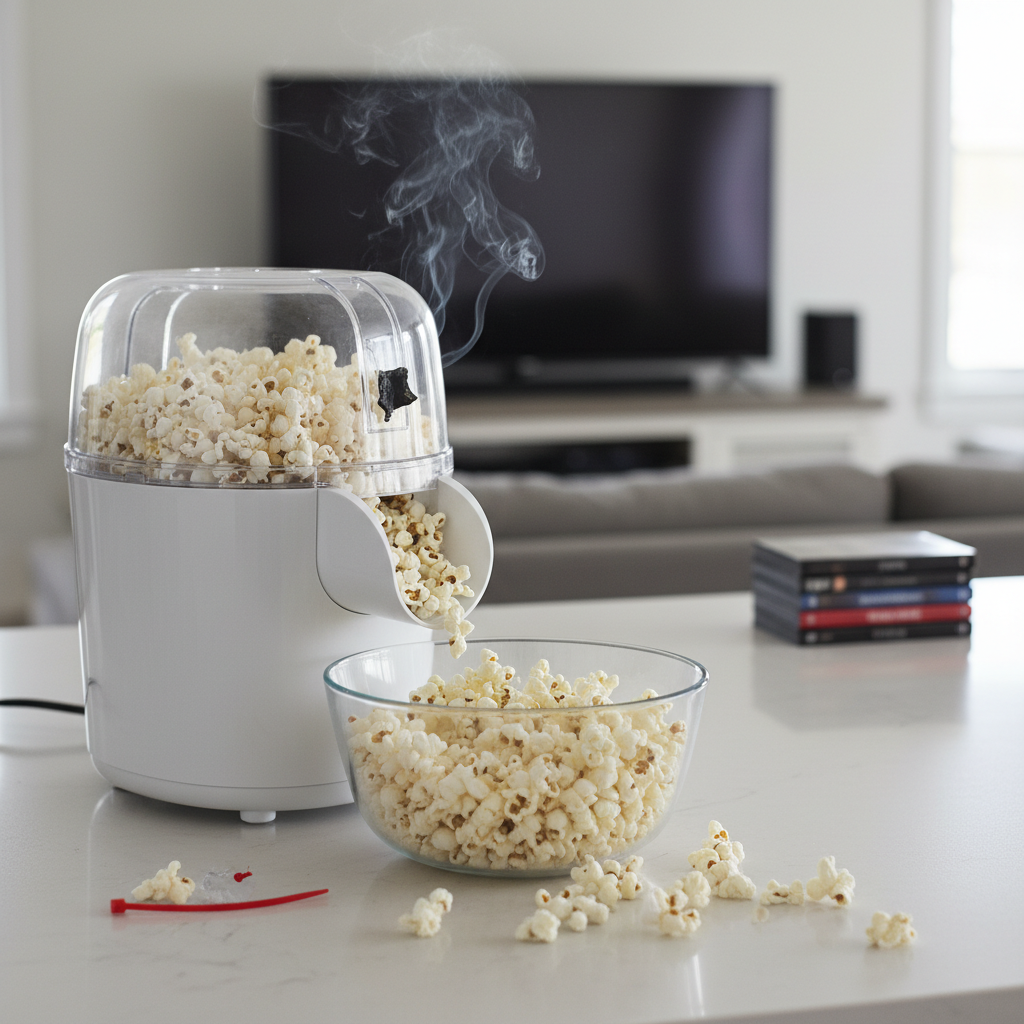
A surprisingly common cause is simply a piece of forgotten packaging. Small plastic films, cardboard inserts, or even wire ties can sometimes be overlooked during the initial setup. When the air popper heats up, these materials can melt or burn, producing the unmistakable plastic odor. A thorough inspection of the popping chamber and surrounding components before first use is always recommended.
Overheating and Residue Buildup
Over time, burnt popcorn kernels, oil residue (even in “air” poppers, some use a little oil or fat can splatter), or even fine dust can accumulate on the heating elements or inside the popping chamber. When the air popper operates, these residues can get hot enough to scorch, creating a smell that can be mistaken for burning plastic. Additionally, blocked vents can lead to internal overheating, putting stress on plastic components and potentially causing them to emit odors.
External Plastic Contact
Accidents happen, and sometimes a stray plastic item – a utensil, a small container, or even a part of the air popper’s exterior housing – might come into contact with a hot surface. If a plastic object melts onto the heating element or the hot exterior of the machine, it will undoubtedly produce a strong burning plastic smell.
Electrical Issues: A Serious Concern
While less common for simple air poppers than for more complex appliances, a burning plastic smell can, in rare cases, indicate an electrical problem. Overheating wiring, faulty insulation, or internal electrical components could be the source. This is the most serious potential cause and should not be ignored, as it poses a fire hazard. If the smell is accompanied by sparks, smoke, or other signs of malfunction, immediately unplug the appliance.
Identifying the Culprit: Troubleshooting Your Air Popper
When confronted with a burning plastic smell, systematic troubleshooting can help you identify the source and determine the appropriate action.
Begin with a comprehensive visual inspection. Unplug your air popper and carefully examine the popping chamber, heating element, and exterior. Look for any misplaced plastic packaging, melted spots, or unusual discoloration on internal components. Pay attention to vents and seams where foreign objects might be lodged.
Consider when the smell first appeared. If it’s a brand-new appliance, the “new appliance odor” is a likely candidate. If your air popper has been in use for some time and the smell is a new development, then residue buildup or a potential malfunction is more probable. Listen carefully while the machine is running (if you deem it safe) for any unusual noises, such as crackling or buzzing, which might signal an electrical issue. Observe for any visible smoke, sparks, or areas that seem excessively hot.
Restoring Freshness: Effective Solutions for a Plastic-Smelling Air Popper
Once you have a better idea of the potential cause, you can implement targeted solutions to eliminate the unpleasant smell and ensure your air popper is safe to use.
Performing a “Burn-In” Cycle (for new poppers)
For a new air popper exhibiting a manufacturing smell, performing one or more “burn-in” cycles can be effective. Place the empty air popper in a well-ventilated area, such as near an open window or even outdoors if possible. Run the machine at its maximum heat setting for 30 to 60 minutes. This allows any residual oils or coatings to burn off harmlessly. You may need to repeat this process several times until the odor subsides.
Deep Cleaning Your Air Popper
If residue buildup is the suspected cause, a thorough cleaning is essential.
- Disassembly: Unplug the unit and allow it to cool completely. Disassemble any removable parts according to the manufacturer’s instructions.
- Wiping Down: Use a damp cloth to wipe down the interior of the popping chamber and any accessible heating elements, being careful not to submerge electrical components.
- Odor Absorption: For lingering smells, a solution of equal parts white vinegar and water can be used to wipe down surfaces. The vinegar helps to neutralize odors. Alternatively, place an open bowl of white vinegar or baking soda inside the cooled popper overnight to absorb stubborn smells.
- Burnt Residue: For tough, burnt-on residue, create a paste with baking soda and a little water. Apply it to the affected area, let it sit for a while, then gently scrub with a non-abrasive sponge or nylon brush. Coffee grounds have also been noted as effective for scrubbing away burnt areas and adding shine.
- Rinse and Dry: Ensure all parts are thoroughly rinsed and completely dry before reassembling and using the air popper.
Ensuring Proper Ventilation
Always use your air popper in a well-ventilated space. This not only helps dissipate any initial odors but also prevents heat from building up excessively around the appliance, reducing the risk of overheating internal components.
Preventing Future Odors
- Regular Cleaning: Make cleaning a routine. A quick wipe-down after each use can prevent residue buildup.
- Don’t Overfill: Adhere to the manufacturer’s recommended fill lines for kernels to prevent overflow and potential burning.
- Monitor Popping: Stay near your air popper while it’s in operation to promptly address any unusual smells or signs of burning.
When to Call a Professional or Replace
If the burning plastic smell persists after thorough cleaning and multiple burn-in cycles, or if you notice visible damage, sparks, smoke, or any other signs of electrical malfunction, it’s time to cease using the appliance immediately. Do not attempt to repair electrical issues yourself. In such cases, contact the manufacturer’s customer service or consult a qualified appliance repair technician. If the appliance is old or the repair cost is high, replacement may be the safest and most cost-effective option. Your safety is paramount, and it’s better to err on the side of caution.
A Quick Comparison: Air Poppers vs. Other Popcorn Makers
While this guide focuses on air poppers, it’s worth noting that other popcorn makers, such as stovetop or microwave versions, can also develop unusual smells. Stovetop poppers might smell burnt due to scorched oil or kernels, while microwave popcorn can leave a lingering burnt aroma from overheated bags. However, the distinct “burning plastic” scent is most commonly associated with electrical appliances that utilize internal heating elements and plastic housings, making air poppers a frequent topic for this specific issue.
Buying Guide Considerations for a Smell-Free Experience
When choosing a new air popper, certain features can help minimize the chances of encountering a burning plastic smell. Look for models constructed with durable, high-quality, heat-resistant plastics or those with more metal components in the popping chamber. A design that promotes good airflow and is easy to disassemble for cleaning can also be beneficial in preventing residue buildup and dissipating any initial manufacturing odors more quickly. Prioritizing reputable brands often means better quality control and materials.
“A persistent burning plastic smell from any appliance is a clear indicator to investigate. While often a simple fix like a thorough cleaning or a ‘burn-in’ cycle, never dismiss it, especially if it’s accompanied by visual cues like smoke or sparks. Safety always comes first.” – ReviewHubz.com Admin, Appliance Technician
Conclusion
The smell of burning plastic emanating from your air popper can be an unsettling experience, transforming the promise of a tasty treat into a cause for concern. Fortunately, by systematically identifying the root cause – whether it’s the normal “new appliance” odor, forgotten packaging, stubborn residue, or a rare electrical issue – you can take effective action. Regular cleaning, proper ventilation, and a cautious approach to troubleshooting are key to maintaining your air popper. Don’t let an unpleasant smell deter you from enjoying homemade popcorn. With these insights, you can quickly restore your appliance to its optimal, fresh-smelling performance and continue to delight in delicious, worry-free batches. What steps will you take today to ensure your next popcorn experience is perfectly popped and plastic-smell-free?
Frequently Asked Questions
Is a burning plastic smell from a new air popper normal?
Yes, it can be normal for a new air popper to emit a plastic or chemical smell during its first few uses. This is typically due to protective oils, coatings, or silicone components burning off. It usually subsides after a few “burn-in” cycles in a well-ventilated area.
Can a burning plastic smell from an appliance be dangerous?
A burning plastic smell can be dangerous, especially if it persists, intensifies, or is accompanied by smoke, sparks, or other malfunctions. While often benign for new appliances, it can also indicate serious electrical issues or overheating. Always unplug the appliance and investigate if you suspect a hazard.
How often should I clean my air popper to prevent smells?
For optimal performance and to prevent odors, it’s best to perform a quick wipe-down of your air popper after each use. A more thorough deep cleaning, focusing on the popping chamber and any residue, should be done regularly, perhaps every few uses, depending on how frequently you use the machine.
What if the plastic smell won’t go away after cleaning?
If the plastic smell persists even after thorough cleaning, multiple “burn-in” cycles, and checking for forgotten packaging, it might indicate an internal component issue or electrical problem. In this situation, it is advisable to stop using the air popper and contact the manufacturer or consider replacing the unit to ensure safety.