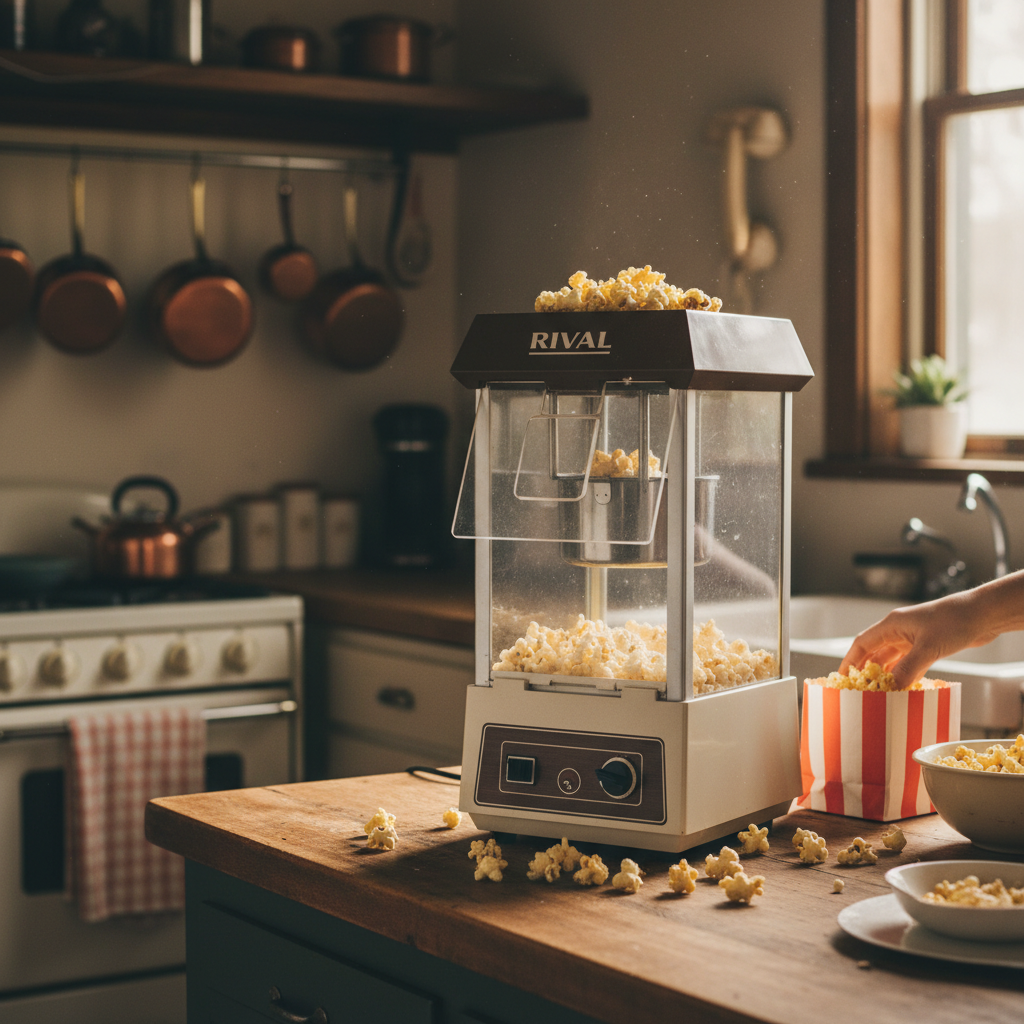
Step into the kitchen of yesteryear, and you might just find a classic Rival popcorn maker ready to whir to life. For decades, Rival was a household name, and their popcorn makers often held a cherished spot, promising the nostalgic taste of freshly popped corn. But how do these vintage appliances truly hold up in a modern world, especially for those looking to recapture a bit of culinary history? We’re diving deep into a vintage review of Rival popcorn makers, exploring their performance, quirks, and enduring appeal to help you decide if a classic Rival is right for your snack-making adventures.
Overview of Popcorn Makers
At its core, a popcorn maker is a device designed to heat popcorn kernels until they pop into fluffy, edible treats. This seemingly simple appliance has a surprisingly rich history, evolving from stovetop kettles to sophisticated electric machines. Early methods involved directly heating kernels in oil over a fire. The 20th century saw the advent of specialized stovetop poppers with stirring mechanisms, like the Whirley Pop, making the process easier and more consistent.
The major shift came with the introduction of electric models. These brought automation and convenience, removing the need for constant supervision. Rival, a prominent appliance manufacturer, was at the forefront of this trend, producing various electric popcorn makers that became staples in many American homes. From the robust oil-based machines that mimicked theater-style popcorn to the leaner hot-air versions, Rival offered solutions for different preferences. Understanding these foundational types is key to appreciating the specific characteristics of vintage Rival popcorn makers.
Benefits of Using a Popcorn Maker
Using a dedicated popcorn maker, even a vintage model, offers several advantages over modern alternatives like microwave popcorn or stovetop methods. Convenience and speed are paramount; with just the flick of a switch, you can transform hard kernels into a warm, delicious snack in minutes. This is often faster and less messy than conventional stovetop popping.
Beyond convenience, a significant benefit lies in control. A popcorn maker allows you to dictate the quality and quantity of ingredients. You can choose your favorite kernels, adjust the amount of oil (or forgo it entirely with hot air models), and season to your exact taste, avoiding the artificial flavors and excessive sodium often found in pre-packaged microwave bags. This level of customization ensures you know exactly what you’re eating, making it a healthier option for many families. Furthermore, the contained popping environment of an electric popcorn maker generally ensures better hygiene and easier cleanup compared to a splattering pot on the stove. The result is consistently fresh, crisp, and flavorful popcorn, batch after batch.
Popular Types of Popcorn Makers
Rival, like many manufacturers, produced various types of popcorn makers over its active years, catering to different consumer needs and preferences. When considering a vintage Rival, you’ll primarily encounter two main categories: oil-based kettle poppers and hot air poppers. Each type has distinct operational principles, advantages, and drawbacks.
Oil Popcorn Makers: The Classic Kettle Style
Rival’s oil popcorn makers typically feature a heated plate or kettle where kernels are popped in a small amount of oil. Many vintage models, reminiscent of “Popcorn Pumper” styles (though this specific name is often associated with Presto), included a stirring mechanism to ensure even heating and prevent burning.
- Pros:
- Rich Flavor: Popping in oil often results in a richer, more authentic “movie theater” flavor and a crispier texture.
- Fewer Unpopped Kernels: The oil provides consistent heat transfer, usually leading to a high pop rate.
- Capacity: Often designed for larger batches, ideal for families or entertaining.
- Cons:
- Oil Usage: Requires oil, making it less ideal for those seeking a fat-free snack.
- Cleaning: Can be more challenging to clean due to oil residue on the popping surface and internal components.
- Potential for Burning: If the stirring mechanism fails or is absent, kernels can scorch. Indeed, some users of the Rival PP25 model reported it “jams and burns popcorn about 1 minute after you plug it in” and “smokes up your kitchen.”
- Usage and Cleaning: For these models, you typically add oil and kernels to the heated kettle, turn it on, and wait for the magic to happen. Cleaning involves allowing the unit to cool, then wiping down the non-stick surface (if present, keeping in mind older Teflon might degrade) or washing the kettle components carefully.
|
Our Picks for the Best Popcorn maker in 2026
As an Amazon Associate I earn from qualifying purchases.
|
||
| Num | Product | Action |
|---|---|---|
| 1 | Ecolution Patented Micro-Pop Microwave Popcorn Popper with Temperature Safe Glass, 3-in-1 Lid Measures Kernels and Melts Butter, Made Without BPA, Dishwasher Safe, 3-Quart, Red |

|
| 2 | DASH Fresh Pop Popcorn Maker - Oil-Free, Air Popcorn Popper - With Measuring Cup & Recipe Guide - Perfect for Movie Nights - 16 Cups, White |
|
| 3 | West Bend Stir Crazy Movie Theater Popcorn Popper, Gourmet Popcorn Maker Machine with Nonstick Popcorn Kettle, Measuring Tool and Popcorn Scoop for Popcorn Machine, 4 Qt., Black |
|
| 4 | Original Whirley Pop Popcorn Machine – 3-Minute Stovetop Popcorn Maker for Home Movie Snacks & Game Night – Wabash Valley Farms – Aluminum Pot With Nylon Gears – (Silver) |
|
| 5 | Elite Gourmet EPM145M 18-cup Hot Oil Stirring Popcorn Popper w/Measuring Cap & Reversible Serving Bowl & Butter Melting Tray, Great for Parties, Movie Night, Anytime Snack, Safety ETL Approved, Mint |
|
| 6 | Elite Gourmet EPM330M Automatic Stirring 12-cup Popcorn Maker Popper, Hot Oil Popcorn Machine w/Measuring Cap & Built-in Reversible Serving Bowl, Great for Home Party Kids, Safety ETL Approved, Mint |
|
| 7 | Presto 04863 Poplite Hot Air Popcorn Popper - Built-In Measuring Cup + Melts Butter, Easy to Clean, Built-In Cord Wrap, 18 Cups, Red |
|
| 8 | West Bend Stir Crazy Hot Oil Popcorn Popper, Popcorn Maker Machine with Large Serving Bowl Lid and Stirring Rod Perfect for Movie Night Snack Time or Parties, 6-Quart, Red |
|
| 9 | DASH Fresh Pop Popcorn Maker - Oil-Free, Air Popcorn Popper - With Measuring Cup & Recipe Guide - Perfect for Movie Nights - 16 Cups, Aqua |
|
| 10 | VEVOR Commercial Popcorn Machine, 8 Oz Kettle, 850 W Countertop Popcorn Maker for 48 Cups per Batch, Theater Style Popper with 3-Switch Control Steel Frame Tempered Glass Doors 2 Scoops 2 Spoons, Red |
|
Hot Air Popcorn Makers: The Health-Conscious Choice
Rival also produced hot air popcorn makers, which use circulating hot air to pop kernels without any added oil. These machines often feature a simple design: a heating element and a fan at the bottom, and a chute for the popped corn to exit into a bowl.
- Pros:
- Healthier: Oil-free popping makes for a low-calorie snack.
- Easy Cleanup: Generally simpler to clean as there’s no oily residue.
- Quick: Hot air poppers often pop corn very quickly.
- Cons:
- Dryer Popcorn: The lack of oil can result in a dryer, sometimes chewier texture, which some users dislike. An older Rival Air Popper was noted to “really dry it out.”
- Flying Kernels: Some vintage hot air poppers, including older Rival models, had poorly designed chutes that would “send burning-hot un-popped kernels flying all over the room, missing the large bowl.”
- Inconsistent Popping: Older models, such as one specific Rival Air Popper, were criticized for only popping “on average, maybe half of the kernels.”
- Safety Concerns: Disturbingly, an older review for a Rival Air Popper warned that the “product may be a fire hazard!!” This is a critical consideration for any vintage electrical appliance.
- Usage and Cleaning: Operation is straightforward: add kernels to the popping chamber, place a bowl under the chute, and turn it on. After use, simply wipe the popping chamber with a damp cloth.
Microwave Popcorn Makers: A Modern Contrast
While not a vintage Rival product category, microwave popcorn makers represent a significant shift in home popcorn preparation. These typically involve silicone bowls or specialized bags designed for microwave use. They offer ultimate convenience but lack the capacity and sometimes the consistent quality of electric poppers. Their emergence arguably contributed to the decline of dedicated electric popcorn makers like those from Rival, as they offered an even quicker, albeit often less authentic, popping experience.
Comparison Table: Vintage Rival Popcorn Makers
Evaluating vintage Rival popcorn makers means understanding their performance relative to each other and against modern standards. Here’s a comparative look at the common types:
| Feature | Vintage Rival Oil Popcorn Maker (e.g., PP25 style) | Vintage Rival Hot Air Popcorn Maker | Modern Popcorn Makers (General) |
|---|---|---|---|
| Popping Method | Oil & Heat, often with stirring mechanism | Hot Air Convection | Various (Air, Oil, Microwave) |
| Flavor/Texture | Rich, classic “movie theater” taste, crisp | Lighter, dryer texture | Wide range, often customizable |
| Speed | Moderate to fast | Fast | Fast to very fast |
| Kernel Pop Rate | Generally high | Variable, some models poor | High |
| Unpopped Kernels | Few | Can be significant, fly out of chute | Few (good models) |
| Oil Required | Yes | No | Optional (for air), Yes (for oil) |
| Cleanup | More effort due to oil residue | Generally easy | Easy to moderate |
| Durability | Variable, some models like PP25 prone to issues | Variable, some models prone to issues | Generally good (new materials) |
| Safety Concerns | Overheating, burning (if stirrer fails) | Overheating, fire hazard (some models), flying hot kernels | Modern safety features, less concern |
| Size | Often bulky | Moderate | Compact to bulky |
| Value (Vintage) | High nostalgia, can be functional | Hit-or-miss functionality | Good performance for price (new) |
Recommendations:
- For those prioritizing authentic, rich flavor and a classic experience, a well-maintained vintage Rival oil-based popcorn maker could be a delightful find, provided it functions correctly and doesn’t exhibit burning issues.
- If health and ease of cleanup are paramount, a vintage Rival hot air popper might seem appealing, but proceed with caution. Many older hot air models, including Rival’s, had issues with efficiency and safety. Consider a newer, more reliable hot air popper for consistent, safe performance.
- Ultimately, the performance of vintage Rival machines is highly model-dependent, with some receiving very poor reviews for burning, jamming, and low utility, while others might have offered reasonable service for their time.
Important Criteria When Choosing a Popcorn Maker
When considering a vintage Rival popcorn maker, or any popcorn maker for that matter, several criteria are crucial for making an informed decision. These factors influence not only the performance and convenience but also the safety and longevity of the appliance.
Power and Popping Speed
The wattage of a popcorn maker indicates its power and generally correlates with its popping speed. Higher wattage usually means faster preheating and quicker popping cycles. Vintage Rival models typically had wattages suitable for home use, but they might not match the lightning-fast performance of some modern, high-power machines. An older Rival Air Popper, for instance, might take a bit longer or be less efficient than a newer 1200W air popper designed for speed and consistency. Always consider if the speed aligns with your need for quick snacks.
Capacity
Capacity refers to the amount of popcorn kernels a machine can pop in a single batch, usually measured in cups of unpopped kernels or popped corn. For single users or small families, a smaller capacity machine (e.g., for 4-6 cups of popped corn) is sufficient. Larger gatherings will benefit from machines that can produce 12 cups or more per batch. Vintage Rival models varied, with some offering generous capacities for family movie nights, while smaller personal models also existed.
Material
The materials used in a popcorn maker dictate its durability, heat distribution, and ease of cleaning.
- Popping Chamber/Kettle: Older oil-based models often featured metal kettles, sometimes with a non-stick coating like Teflon (as seen in some 1970s poppers). While these coatings provided convenience, older formulations may degrade over time, posing health or performance issues. Hot air poppers typically used plastic or metal for the popping chamber.
- Exterior: Vintage Rival machines often had robust plastic housings or metal accents, reflecting the appliance aesthetics of their era. Prioritize materials that are durable and easy to wipe clean.
Features
Vintage popcorn makers generally offered fewer features than their modern counterparts, focusing on core functionality.
- Butter Melting Tray: A common and convenient feature, often a small cup atop the machine that uses residual heat to melt butter for drizzling. This was present in many Rival air poppers.
- Automatic Shut-off: Less common in very old models, but a safety feature to prevent overheating once popping is complete.
- Stirring Mechanism: Essential for oil-based poppers to ensure even cooking and prevent burning. Its absence or failure in models like the Rival PP25 led to significant user dissatisfaction.
- Easy Cleaning: Features like removable, dishwasher-safe parts are a modern convenience; vintage units often required more manual cleaning.
Brand and Price
Rival was a well-known brand, and their reputation was built on producing a wide range of home appliances. When looking at vintage Rival popcorn makers today, the “price” is less about retail cost and more about value in the second-hand market. While some older models were praised for their functionality, others, like the Rival PP25, were critically panned. Researching specific model numbers (if identifiable) and scrutinizing the physical condition is crucial. The value of a vintage Rival often lies in its nostalgic appeal rather than guaranteed peak performance.
Vintage Rival Popcorn Makers: Key Models and Performance Trends
Rival produced a variety of popcorn makers, and discerning their performance decades later requires looking at the general trends and user experiences associated with their primary types. While pinpointing specific “top” models with detailed vintage reviews is challenging, we can categorize their legacy into two main approaches: the oil-based kettle popper and the hot air popper.
The Rival Popcorn Pumper (and similar oil poppers)
While the “Popcorn Pumper” name is famously associated with Presto, Rival also produced its own line of electric oil poppers that operated on similar principles: a heated surface and often a stirring arm to ensure kernels moved continuously. These machines were designed to replicate the rich, slightly oily texture of movie theater popcorn.
- Performance: When working correctly, these machines delivered fluffy popcorn with a satisfying crunch and flavor. The oil helped transfer heat efficiently, leading to a high pop rate and few unpopped kernels. Users often appreciated the robust construction of these older appliances.
- Challenges: The main drawbacks were the need for oil, which made cleanup more involved, and the potential for burning if the stirring mechanism malfunctioned. For example, some Rival oil poppers, such as the PP25 model, were heavily criticized for “jamming and burning popcorn” within minutes, leading to smoke and frequent overheating. This highlights significant inconsistencies in Rival’s oil popper lineup.
Rival Hot Air Poppers
Rival’s hot air poppers were designed to offer a healthier, oil-free alternative. They relied on circulating hot air to pop the kernels, promising a lighter snack with easier cleanup.
- Early Model Performance: Many early hot air poppers, including some from Rival, faced significant performance issues. Common complaints included a high number of unpopped kernels, a tendency to produce very dry popcorn, and poorly designed chutes that would eject hot, unpopped kernels unpredictably. One older review specifically noted a Rival Air Popper dried out the popcorn significantly and had safety concerns, even labeling it a “fire hazard.” Another user reported an older Rival Air Popper was “less than durable, and often less than useful,” only popping about half the kernels and scattering hot kernels widely.
- Later/Specific Model Performance: Interestingly, there are also reviews for a Rival Air Popper (possibly a later, improved model or a specific high-wattage unit) that praise its “consistently crisp, clean popcorn” and “efficient airflow system.” This particular 1200W model was noted for its “robust engineering,” high yield (14 cups from 1/4 cup kernels), and quick popping time without any greasy residue. This suggests that while early Rival hot air poppers might have had significant flaws, later iterations or specific models could have been quite effective.
Summary: The legacy of vintage Rival popcorn makers is quite mixed. While some models and types offered a reliable and nostalgic popping experience, particularly the better-performing oil-based designs, others, especially certain hot air models and specific problematic units like the PP25, were plagued by performance issues and even safety concerns. When considering a vintage Rival, thorough inspection and understanding the specific model’s reputation are crucial.
How to Use and Maintain a Popcorn Maker Correctly
Proper usage and consistent maintenance are key to extending the life of any appliance, especially a vintage popcorn maker. Following these guidelines will ensure you get the best possible popcorn and keep your Rival machine operational for years to come.
Safe and Effective Usage
- Read the Manual (If Available): While unlikely for a truly vintage machine, if you can find a manual online for a similar model, review the specific instructions.
- Inspect Before Use: Before each use, visually inspect the power cord for any fraying or damage, and ensure all components are properly assembled. For oil poppers with stirring mechanisms, check that the stirrer moves freely.
- Use Fresh Kernels: Old, dried-out kernels lose their internal moisture, which is essential for popping. Always use fresh, high-quality popcorn kernels for the best results and fewer unpopped duds.
- Measure Accurately: Adhere to the manufacturer’s recommended kernel measurements. Overfilling can lead to burning, unpopped kernels, and strain on the machine. For oil poppers, use the correct amount and type of high-smoke point popping oil.
- Placement: Place the popcorn maker on a stable, heat-resistant surface away from flammable materials. For hot air poppers, ensure there’s ample space for the popped corn to exit the chute without obstruction.
- Supervision: Never leave an operating popcorn maker unattended, especially vintage models that may lack modern safety features like automatic shut-off.
Cleaning and Maintenance for Longevity
- Unplug First: Always ensure the machine is unplugged and completely cooled before attempting any cleaning or maintenance.
- Wipe Down Exterior: Use a soft, damp cloth to wipe the exterior of the machine. Avoid abrasive cleaners that could damage the finish.
- Clean Popping Chamber/Kettle:
- Oil Poppers: For oil-based kettles, gently scrape off any burnt residue after cooling. Use warm, soapy water to clean the kettle, taking care not to submerge electrical components. Some vintage kettles might not be fully submersible. Thoroughly dry all parts to prevent rust.
- Hot Air Poppers: Wipe the popping chamber with a damp cloth to remove any kernel dust or residue.
- Check for Debris: Ensure no old kernels or crumbs are lodged in the popping mechanism or chute, as these can burn and affect subsequent batches.
- Inspect Stirring Arm (Oil Poppers): Ensure the stirring arm (if present) is clean and moves freely. Any sticking could lead to burnt popcorn.
- Storage: Store the popcorn maker in a clean, dry place. If it has removable parts or a nesting design (like some older Presto models), disassemble for compact storage.
Important Notes:
- Overheating: If you notice your vintage Rival machine smoking, jamming, or overheating (as reported for the PP25 model), discontinue use immediately and allow it to cool completely. Repeated overheating indicates a potential issue that may require professional inspection or retirement of the appliance.
- Fire Hazard: Given the warning for some older Rival hot air poppers being a “fire hazard,” exercise extreme caution with any vintage electrical appliance, especially if it shows signs of wear or inconsistent performance. Always supervise its operation.
Conclusion
The journey into reviewing a vintage Rival popcorn maker reveals a landscape rich in nostalgia but also fraught with the inconsistencies of older technology. While the allure of classic appliances is undeniable, offering a tangible connection to simpler times and the promise of authentic, home-popped goodness, the reality is a mixed bag. Some vintage Rival machines provided dependable service for years, crafting delicious, customizable popcorn that easily outshone microwave alternatives. Yet, specific models, particularly certain hot air poppers and the infamous Rival PP25 oil popper, were known for frustrating issues like burning, incomplete popping, and even safety concerns.
For enthusiasts, finding a well-preserved and properly functioning vintage Rival popcorn maker can be a delightful addition to any kitchen, evoking movie nights and family gatherings of the past. However, prospective owners must approach these relics with a critical eye, prioritizing safety and understanding that performance can be highly variable. Thorough inspection and adherence to careful usage and maintenance are paramount. Are you willing to embrace the charm and occasional challenge of a vintage Rival, or does the consistency and safety of a modern machine better suit your popcorn cravings?
Frequently Asked Questions
Are vintage Rival popcorn makers safe to use today?
The safety of vintage Rival popcorn makers varies significantly by model and condition. While some may function perfectly, others, particularly older hot air models, have been associated with issues like overheating and even fire hazards. Always inspect the cord and components thoroughly, operate under supervision, and retire any appliance showing signs of damage or malfunction.
What are common problems with old Rival popcorn makers?
Common problems include incomplete popping (leaving many unpopped kernels), burning or scorching of popcorn, the stirring mechanism failing in oil poppers, poorly designed chutes that scatter hot kernels, and general overheating. These issues were reported for specific models like the Rival PP25 and older hot air poppers.
How do vintage Rival popcorn makers compare to modern ones?
Vintage Rival popcorn makers often offer a nostalgic aesthetic and can produce flavorful popcorn, especially oil-based models. However, they generally lack the advanced safety features, consistent performance, and efficiency of many modern machines. Modern hot air poppers, for instance, typically have higher pop rates and fewer safety concerns.
Can I still find parts for a vintage Rival popcorn maker?
Finding original replacement parts for specific vintage Rival popcorn makers can be very challenging, as the company’s product lines have changed or been discontinued. You might have some luck with generic electrical components or by salvaging parts from another identical vintage unit, but it’s not guaranteed.
What kind of popcorn kernels should I use in a vintage Rival machine?
Always use fresh, high-quality unpopped popcorn kernels. Old or dried-out kernels will not pop efficiently, regardless of the machine. The type of kernel (e.g., yellow, white, mushroom) is generally less critical than its freshness.