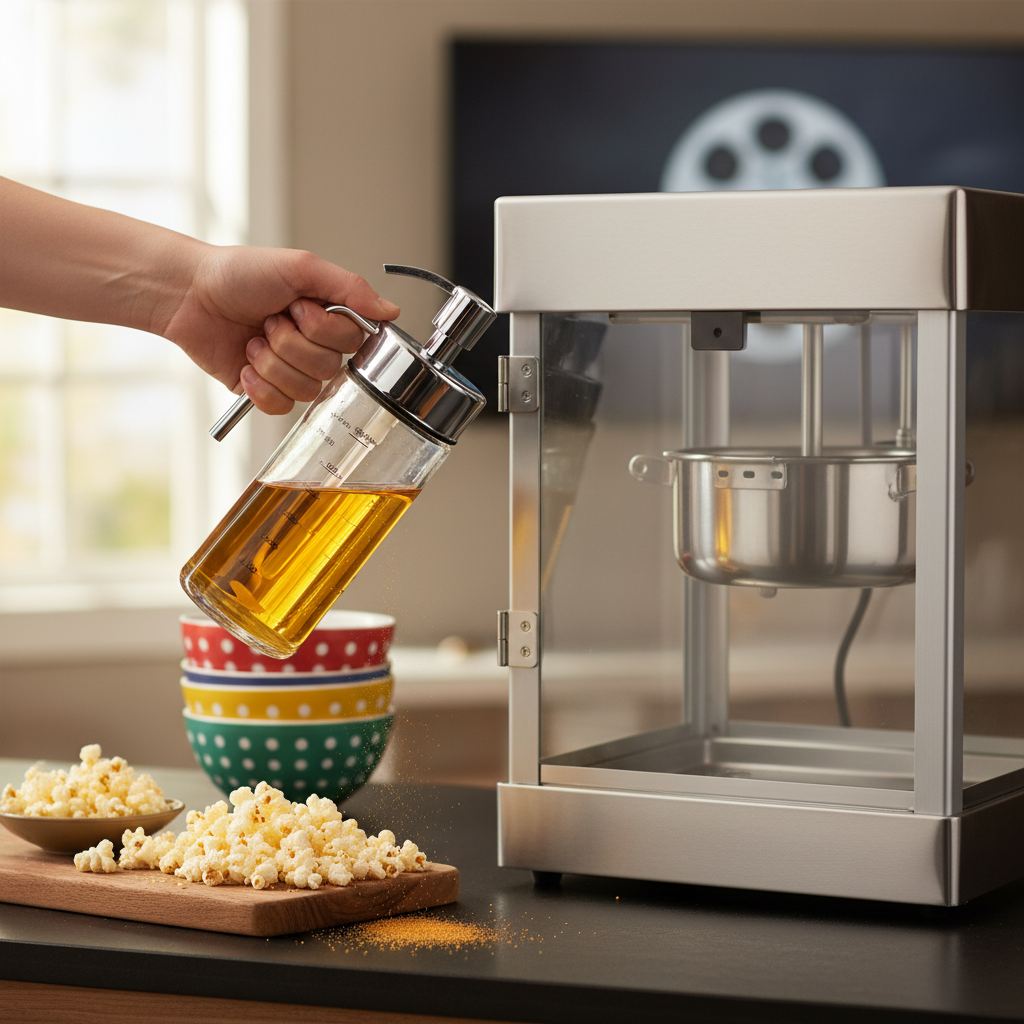
There’s nothing quite like the warmth and aroma of freshly made popcorn, a timeless snack that brings joy to gatherings and quiet evenings alike. For many enthusiasts, the stovetop popcorn popper is the ultimate tool for achieving perfectly popped kernels with that ideal crunch and flavor. However, to keep this culinary workhorse performing at its best, regular maintenance is essential, and one often-overlooked component is the hinge. Over time, this critical part can accumulate a sticky, greasy buildup of oil and popcorn residue, affecting your popper’s performance and potentially compromising hygiene. This comprehensive guide will walk you through the precise steps to thoroughly clean the hinge on your stovetop popcorn popper, ensuring it operates smoothly, seals effectively, and continues to deliver delicious popcorn batch after batch.
Understanding Your Stovetop Popcorn Popper’s Hinge
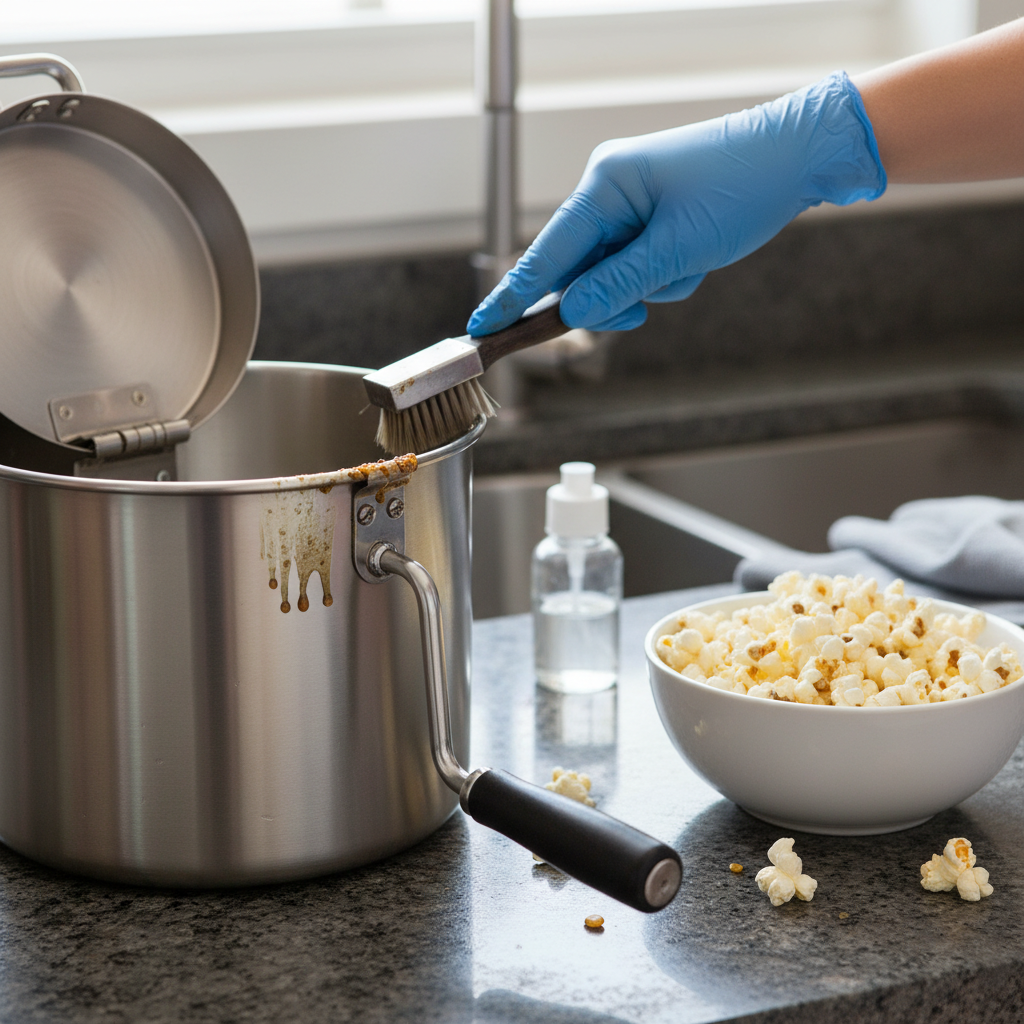
A stovetop popcorn popper typically consists of a large pot with a lid that incorporates a stirring mechanism, often featuring a crank. The lid, which usually houses the stirring rod and its gears, is attached to the pot via a hinge. This hinge allows the lid to open for loading ingredients and pouring out the finished popcorn, and to close tightly during the popping process. Because of its proximity to the cooking action, the hinge is highly susceptible to accumulating cooking oil, butter residue, and tiny popcorn fragments. This sticky combination creates a challenging cleaning task, but a vital one for maintaining your popper.
Why a Clean Hinge Matters: Benefits You Can’t Ignore
Neglecting the hinge can lead to a host of problems, impacting everything from the ease of use to the quality of your popcorn. Prioritizing hinge cleanliness offers several key benefits.
Prevents Sticky Operation and Damage
|
Our Picks for the Best Popcorn maker in 2026
As an Amazon Associate I earn from qualifying purchases.
|
||
| Num | Product | Action |
|---|---|---|
| 1 | DASH Fresh Pop Popcorn Maker - Oil-Free, Air Popcorn Popper - With Measuring Cup & Recipe Guide - Perfect for Movie Nights - 16 Cups, White |

|
| 2 | West Bend Stir Crazy Movie Theater Popcorn Popper, Gourmet Popcorn Maker Machine with Nonstick Popcorn Kettle, Measuring Tool and Popcorn Scoop for Popcorn Machine, 4 Qt., Black |
|
| 3 | West Bend Stir Crazy Hot Oil Popcorn Popper, Popcorn Maker Machine with Large Serving Bowl Lid and Stirring Rod Perfect for Movie Night Snack Time or Parties, 6-Quart, Red |
|
| 4 | Presto 04863 Poplite Hot Air Popcorn Popper - Built-In Measuring Cup + Melts Butter, Easy to Clean, Built-In Cord Wrap, 18 Cups, Red |
|
| 5 | VEVOR Commercial Popcorn Machine, 8 Oz Kettle, 850 W Countertop Popcorn Maker for 48 Cups per Batch, Theater Style Popper with 3-Switch Control Steel Frame Tempered Glass Doors 2 Scoops 2 Spoons, Red |
|
| 6 | Ecolution Patented Micro-Pop Microwave Popcorn Popper with Temperature Safe Glass, 3-in-1 Lid Measures Kernels and Melts Butter, Made Without BPA, Dishwasher Safe, 3-Quart, Red |
|
| 7 | Original Whirley Pop Popcorn Machine – 3-Minute Stovetop Popcorn Maker for Home Movie Snacks & Game Night – Wabash Valley Farms – Aluminum Pot With Nylon Gears – (Silver) |
|
| 8 | DASH Fresh Pop Popcorn Maker - Oil-Free, Air Popcorn Popper - With Measuring Cup & Recipe Guide - Perfect for Movie Nights - 16 Cups, Aqua |
|
| 9 | Elite Gourmet EPM330M Automatic Stirring 12-cup Popcorn Maker Popper, Hot Oil Popcorn Machine w/Measuring Cap & Built-in Reversible Serving Bowl, Great for Home Party Kids, Safety ETL Approved, Mint |
|
| 10 | Elite Gourmet EPM145M 18-cup Hot Oil Stirring Popcorn Popper w/Measuring Cap & Reversible Serving Bowl & Butter Melting Tray, Great for Parties, Movie Night, Anytime Snack, Safety ETL Approved, Mint |
|
When oil and popcorn debris build up, the hinge mechanism can become stiff, making the lid difficult to open and close smoothly. Forcing a sticky hinge can lead to bending, warping, or even breaking the delicate metal components, shortening the lifespan of your entire popper.
Ensures Optimal Popping Performance
A clean hinge allows the lid to seat properly, creating a tight seal on the pot. This seal is crucial for trapping heat and steam inside, which is essential for efficient popping and minimizing unpopped kernels. A compromised seal due to a dirty hinge can lead to uneven heat distribution and less effective popping.
Eliminates Unpleasant Odors and Flavors
Old, rancid oil and burnt popcorn residue trapped in the hinge can impart an unpleasant smell and taste to your fresh batches. Even subtle contamination can detract from the delightful experience of homemade popcorn, making regular cleaning a must for flavor purity.
Extends the Lifespan of Your Popper
Consistent exposure to moisture, heat, and food acids without proper cleaning can lead to corrosion and premature wear on the metal parts of the hinge. By keeping it clean, you protect these components, ensuring your stovetop popper remains a reliable kitchen appliance for years to come.
Essential Tools and Cleaning Agents
Before you begin, gather the right tools and cleaning agents to make the job effective and efficient.
- Soft Bristle Brush: An old toothbrush or a small cleaning brush is ideal for scrubbing tight spaces.
- Microfiber Cloths or Soft Rags: For wiping and drying without scratching.
- Scrubbing Sponge: A non-abrasive sponge with a scrubbing side for general cleaning.
- Cotton Swabs or Pipe Cleaners: Excellent for reaching into very narrow crevices of the hinge mechanism.
- Dish Soap: A good grease-cutting dish soap, such as blue Dawn, is highly effective.
- Warm Water: Essential for diluting cleaners and rinsing.
- White Vinegar: A natural degreaser and deodorizer, often used in conjunction with dish soap.
- Degreaser (Optional): For extremely heavy and stubborn oil buildup.
- Baking Soda: Can be mixed with water to form a paste for tough spots or burnt residue.
- Bar Keepers Friend (Optional): A gentle abrasive cleaner suitable for stainless steel, used carefully.
- Rubber Gloves (Recommended): To protect your hands from hot water and cleaning solutions.
Step-by-Step Guide: Deep Cleaning Your Stovetop Popper Hinge
Follow these steps for a thorough and effective hinge cleaning process.
Step 1: Safety First & Disassembly (If Possible)
Always ensure your popcorn popper is completely cool before cleaning. If your stovetop popper’s lid assembly, particularly the hinge mechanism, can be safely disassembled according to the manufacturer’s instructions, do so. This allows for more direct access and a more thorough clean. If disassembly is not an option, you’ll need to be more meticulous with your smaller cleaning tools. Wearing rubber gloves is advisable, especially when using hot water or stronger cleaning agents.
Step 2: Initial Wipe-Down and Loosening Residue
Begin by using a paper towel or a soft cloth to scrape off any large, loose pieces of burnt popcorn or congealed oil from around the hinge. Next, moisten a clean cloth with warm water and a few drops of dish soap. Wipe down the entire lid assembly, paying close attention to the hinge area. This initial wipe will help loosen surface grease and make subsequent steps easier.
Step 3: Tackling Stubborn Grease and Gunk
For more stubborn accumulation, prepare a cleaning solution. You can mix warm water with a generous amount of dish soap, or for extra power, combine hot water, dish soap, and about half a cup of white vinegar. Apply this solution directly to the hinge area. For very heavy, caked-on grease, a specialized kitchen degreaser can be sprayed onto the hinge, allowing it to sit for a few minutes to break down the grime. Alternatively, create a paste by mixing baking soda with a small amount of water. Apply this paste to the gunked-up areas of the hinge and let it sit for 10-15 minutes.
Step 4: Detail Cleaning the Hinge Mechanism
Now, it’s time to get into the nooks and crannies. Dip your soft bristle brush (like an old toothbrush) into your chosen cleaning solution or use it with the baking soda paste. Gently but firmly scrub all surfaces of the hinge, ensuring you work the bristles into every crack and crevice. For extremely tight spots, cotton swabs or pipe cleaners dipped in the cleaning solution are invaluable for reaching and removing trapped residue that larger brushes can’t access. Pay particular attention to the pins and moving parts of the hinge.
Step 5: Thorough Rinsing
Once you’ve scrubbed away all the buildup, it’s crucial to rinse the hinge thoroughly. Use clean, warm water and a fresh, damp cloth to wipe away all traces of cleaning solution and dislodged grime. If the lid is removable, you can rinse it under running water, ensuring no cleaner residue remains, as this could affect the taste of future popcorn batches. For non-removable lids, repeat the wiping process with a clean, damp cloth multiple times until all soap and residue are gone.
Step 6: Drying and Reassembly
After rinsing, dry all components of the hinge and lid thoroughly. Air drying is acceptable, but wiping with a clean, dry microfiber cloth helps prevent water spots and rust. Ensuring complete dryness is vital, especially for metal hinges, to prevent corrosion. Once everything is dry, reassemble the lid and hinge if you took it apart in the first step.
Advanced Tips and Preventative Measures
Maintaining a clean hinge isn’t just about deep cleaning; it’s also about good habits.
- Clean After Every Use: A quick wipe-down with a warm, soapy cloth after each use can prevent buildup from becoming a major issue.
- Mind Your Oil: Avoid overfilling your popper with oil or butter, as excessive splatter is a primary cause of hinge grime.
- Proper Storage: Store your popper in a clean, dry place to prevent dust and moisture from settling on the hinge.
- Regular Deep Clean: Even with daily wiping, aim for a thorough deep clean of the hinge every few uses or monthly, depending on your frequency of use.
Troubleshooting Common Hinge Issues
Even with the best cleaning efforts, you might encounter some common issues.
- Sticky Hinge After Cleaning: If the hinge still feels stiff, there might be residual gunk. Re-examine closely, focusing on tiny crevices, and repeat the detail cleaning steps.
- Rust Development: If you notice light rust, a paste of baking soda and water can gently remove it. For more severe rust, consider specialized rust removers meant for food-grade metals, or consult the manufacturer. Always avoid harsh abrasive scrubbers that can damage the finish.
- Hinge Damage: If the hinge is bent, broken, or severely corroded, it might be time to replace the lid assembly or the entire popcorn popper.
When to Seek Professional Advice or Replace Your Popper
While diligent cleaning can extend the life of your stovetop popcorn popper, there are instances where professional advice or replacement might be necessary. If the hinge is irreversibly damaged, corroded beyond repair, or if critical components are broken, a DIY fix might not be sufficient or safe. Always refer to your popcorn popper’s manufacturer’s guide for specific care instructions and replacement part availability. Sometimes, investing in a new popper is the most practical solution for continued, trouble-free popcorn enjoyment.
Conclusion
Keeping the hinge on your stovetop popcorn popper sparkling clean is a simple yet crucial task that contributes significantly to the appliance’s longevity, performance, and the deliciousness of your homemade popcorn. By consistently following these detailed cleaning steps and adopting preventative measures, you’ll ensure that your popper remains in top condition, ready to deliver perfectly popped kernels whenever a craving strikes. A little attention to this often-overlooked detail can make all the difference, transforming your popcorn-making experience from a messy chore into a seamless delight. What’s your secret ingredient for the perfect popcorn batch?
Frequently Asked Questions
Can I put my stovetop popcorn popper lid in the dishwasher?
Generally, no. Most stovetop popcorn popper lids, especially those with aluminum components or intricate stirring mechanisms, are not dishwasher safe. The harsh detergents and high heat can cause discoloration, corrosion, or damage to the moving parts of the hinge and gears. Always hand wash the lid and hinge with warm, soapy water.
How often should I clean the hinge of my popcorn popper?
It’s best to wipe down the hinge with a warm, soapy cloth after every use to prevent oil and residue buildup. A more thorough, deep cleaning, focusing on the hinge’s crevices, should be performed every few uses or at least once a month, depending on how frequently you make popcorn.
What if my hinge is rusted?
For light rust, create a paste using baking soda and a little water, apply it to the rusted area, let it sit for a few minutes, then gently scrub with a soft brush or sponge. Rinse thoroughly and dry completely. For severe rust, consult the manufacturer for advice or consider replacing the lid, as rust can compromise the integrity of the metal.
Are there any specific cleaners I should avoid?
Avoid using abrasive scrubbers like steel wool or harsh chemical cleaners that are not food-safe, as they can scratch the surface, damage coatings, or leave behind toxic residues. Also, be cautious with strong chemicals like ammonia; if used, ensure proper ventilation, wear gloves, and rinse extensively.
How do I prevent oil buildup on the hinge?
To prevent excessive oil buildup, ensure you’re using the correct amount of oil specified by your popper’s instructions and avoid overfilling. Wiping down the lid and hinge immediately after the popper has cooled down will also significantly reduce the accumulation of greasy residue.