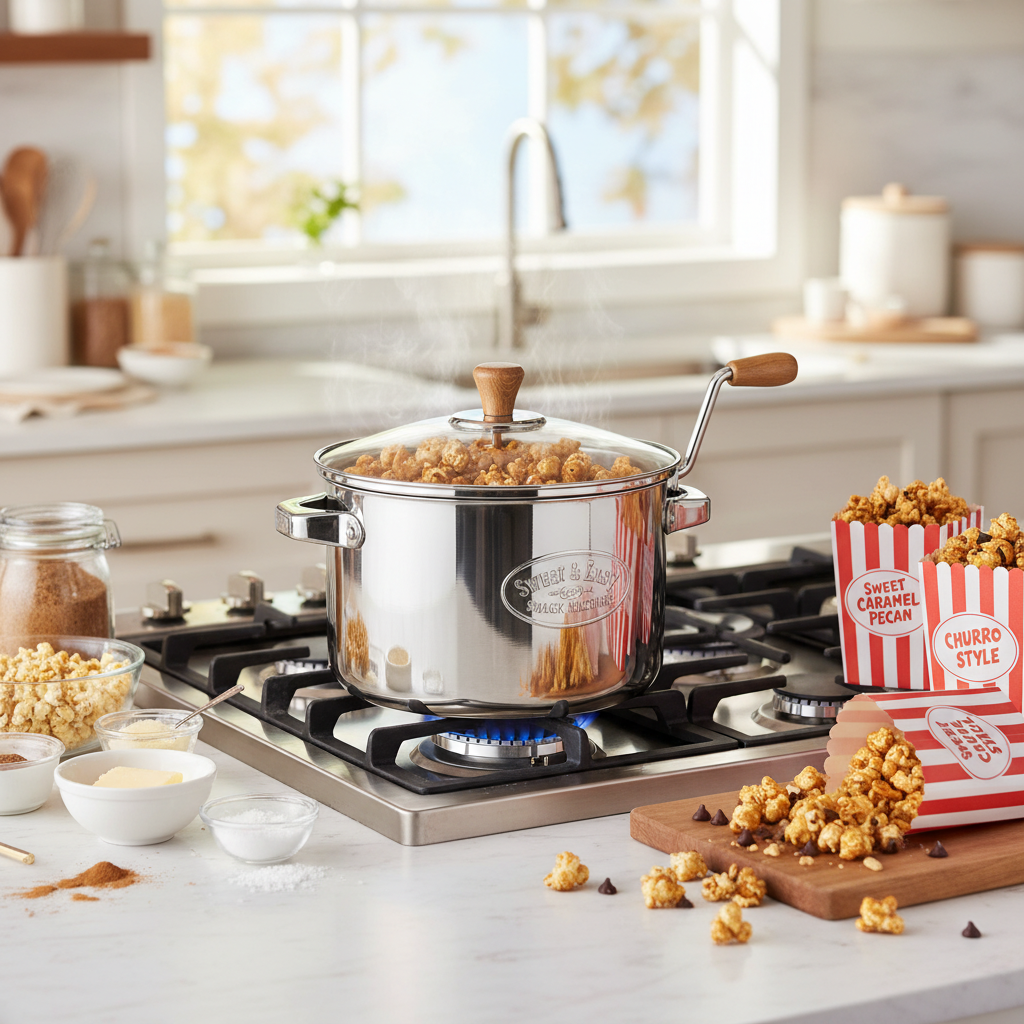
There’s nothing quite like the irresistible aroma and delightful crunch of freshly popped kettle corn, but a sticky, burnt sugar mess in your popcorn kettle can quickly dampen the fun. If you’ve ever faced the challenge of caked-on, caramelized sugar stubbornly clinging to your kettle, you know it can feel like an impossible task. But fear not, fellow popcorn enthusiast! With over a decade of experience in home appliances, particularly popcorn makers, I’m here to share proven techniques that will restore your kettle to its pristine glory and help you prevent future sticky situations.
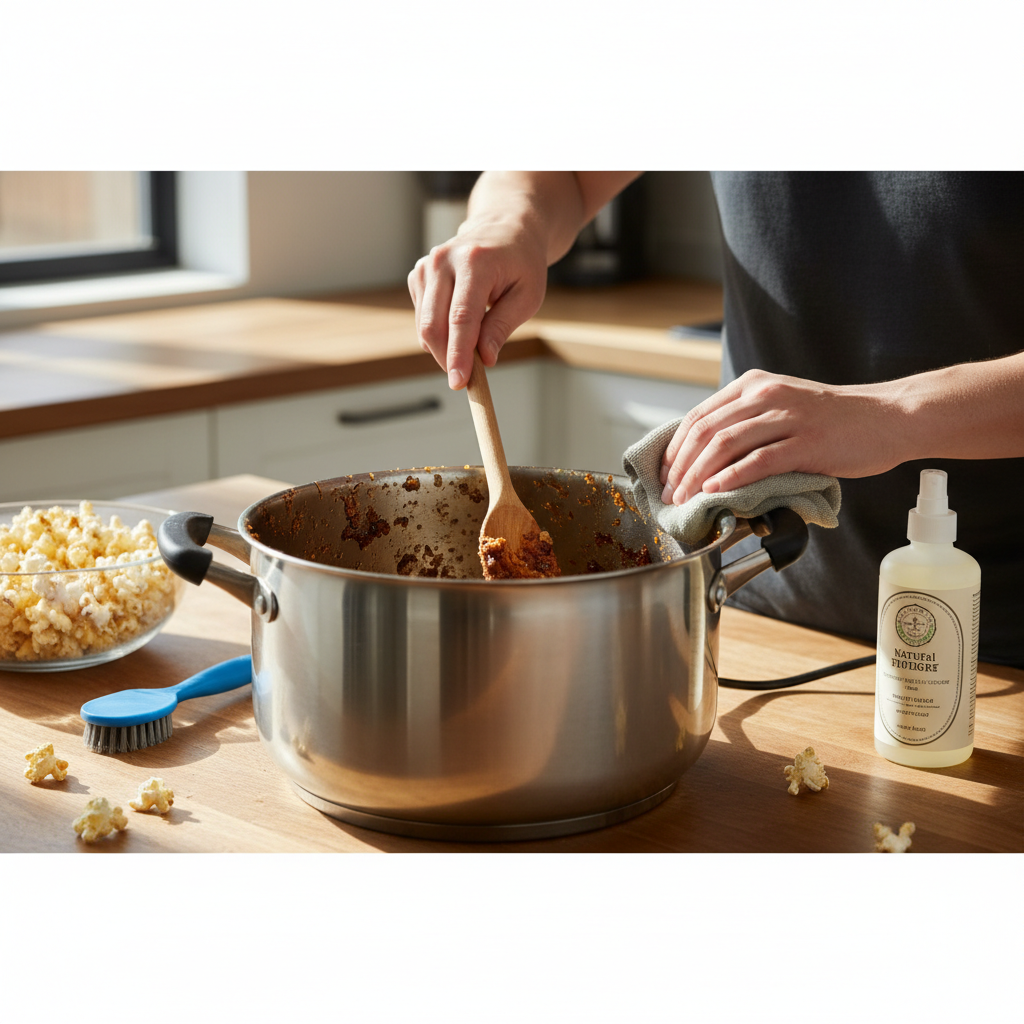
The Sticky Challenge: Understanding Burnt Sugar in Your Popcorn Kettle
Burnt sugar in your popcorn kettle is more than just an eyesore; it impacts both the performance of your machine and the quality of your future popcorn batches. Sugar, when heated, caramelizes, turning into a sticky, molten substance that coats your kernels with that beloved sweet crunch. However, if exposed to excessive heat or left undisturbed for too long, it can quickly burn, creating a rock-hard, dark residue that’s notoriously difficult to remove.
This burnt-on layer acts as an insulator, making your kettle less efficient at heating oil and popping kernels evenly. It can also impart an unpleasant, bitter taste to your popcorn, ruining the experience. Furthermore, aggressive scrubbing with the wrong tools can damage the kettle’s surface, particularly non-stick coatings, shortening its lifespan. Understanding why sugar burns – often due to inconsistent heat distribution, insufficient shaking, or leaving popped corn in the kettle too long – is the first step in both effective cleaning and prevention.
Essential Tools and Safety First
Before diving into any cleaning method, gathering the right supplies and prioritizing safety are paramount. Rushing into cleaning a hot kettle or using inappropriate tools can lead to injuries or damage to your appliance.
Must-Have Cleaning Supplies
For most burnt sugar scenarios, you likely already have the necessary items in your pantry. A basic kit should include:
- Baking Soda: A mild abrasive and deodorizer.
- White Vinegar: An acidic solution that helps break down burnt residue.
- Dish Soap: For general degreasing and cleaning.
- Microfiber Cloths: Gentle and highly absorbent, ideal for wiping surfaces without scratching.
- Non-Metallic Spatulas or Scrapers: Essential for carefully lifting softened residue, especially on non-stick surfaces.
- Soft-bristled Brushes or Nylon Scrubbers: For scrubbing without causing damage.
|
Our Picks for the Best Popcorn maker in 2026
As an Amazon Associate I earn from qualifying purchases.
|
||
| Num | Product | Action |
|---|---|---|
| 1 | Elite Gourmet EPM330M Automatic Stirring 12-cup Popcorn Maker Popper, Hot Oil Popcorn Machine w/Measuring Cap & Built-in Reversible Serving Bowl, Great for Home Party Kids, Safety ETL Approved, Mint |

|
| 2 | Presto 04863 Poplite Hot Air Popcorn Popper - Built-In Measuring Cup + Melts Butter, Easy to Clean, Built-In Cord Wrap, 18 Cups, Red |
|
| 3 | West Bend Stir Crazy Hot Oil Popcorn Popper, Popcorn Maker Machine with Large Serving Bowl Lid and Stirring Rod Perfect for Movie Night Snack Time or Parties, 6-Quart, Red |
|
| 4 | VEVOR Commercial Popcorn Machine, 8 Oz Kettle, 850 W Countertop Popcorn Maker for 48 Cups per Batch, Theater Style Popper with 3-Switch Control Steel Frame Tempered Glass Doors 2 Scoops 2 Spoons, Red |
|
| 5 | Ecolution Patented Micro-Pop Microwave Popcorn Popper with Temperature Safe Glass, 3-in-1 Lid Measures Kernels and Melts Butter, Made Without BPA, Dishwasher Safe, 3-Quart, Red |
|
| 6 | Elite Gourmet EPM145M 18-cup Hot Oil Stirring Popcorn Popper w/Measuring Cap & Reversible Serving Bowl & Butter Melting Tray, Great for Parties, Movie Night, Anytime Snack, Safety ETL Approved, Mint |
|
| 7 | West Bend Stir Crazy Movie Theater Popcorn Popper, Gourmet Popcorn Maker Machine with Nonstick Popcorn Kettle, Measuring Tool and Popcorn Scoop for Popcorn Machine, 4 Qt., Black |
|
| 8 | Original Whirley Pop Popcorn Machine – 3-Minute Stovetop Popcorn Maker for Home Movie Snacks & Game Night – Wabash Valley Farms – Aluminum Pot With Nylon Gears – (Silver) |
|
| 9 | DASH Fresh Pop Popcorn Maker - Oil-Free, Air Popcorn Popper - With Measuring Cup & Recipe Guide - Perfect for Movie Nights - 16 Cups, Aqua |
|
| 10 | DASH Fresh Pop Popcorn Maker - Oil-Free, Air Popcorn Popper - With Measuring Cup & Recipe Guide - Perfect for Movie Nights - 16 Cups, White |
|
Safety Precautions
Your safety and the longevity of your popcorn kettle depend on following these crucial guidelines:
- Always Unplug and Cool: Before touching your popcorn kettle, ensure the machine is completely unplugged from the power source and has cooled down entirely. This prevents electrical hazards and severe burns. Allowing it to cool for at least 30 minutes is a good practice.
- Wear Protective Gloves: If using any commercial cleaners or even strong DIY solutions, protective gloves can shield your hands from chemicals and hot water.
- Avoid Harsh Abrasives on Non-Stick: Harsh scrub pads, steel wool, or abrasive cleaners can easily scratch and destroy non-stick coatings. Always opt for soft cloths, nylon scrubbers, or non-metallic scrapers for these surfaces.
- Check Manufacturer Guidelines: Your popcorn machine’s manual is your best friend. It often contains specific cleaning instructions and lists approved (and forbidden) cleaning agents for your particular model and kettle material.
- Do Not Use Cold Water on a Hot Kettle: Pouring cold water into a hot kettle can cause thermal shock, potentially warping or cracking the metal. Always let the kettle cool naturally.
Step-by-Step Methods to Remove Burnt Sugar
With safety checks complete and your tools ready, let’s tackle that burnt sugar with confidence. You may need to try a few methods, or a combination, depending on the severity of the burn.
The Baking Soda & Water Soak Method
This gentle yet effective method is a go-to for many burnt-on messes. The baking soda helps to break down the carbonized sugar, making it easier to lift.
Steps:
- Fill the Kettle: Fill your cooled popcorn kettle halfway with water.
- Add Baking Soda: Stir in two to three tablespoons (or a large handful) of baking soda. For a stronger solution, you can create a paste with baking soda and a little water and apply it directly to the burnt areas before adding more water.
- Heat Gently: Place the kettle back into its base (if applicable) or on a stovetop burner. Bring the solution to a gentle boil, then reduce the heat to a simmer. Allow it to simmer for 15-30 minutes, or until the burnt sugar begins to loosen and float. If your kettle is not designed for stovetop use, simply let the mixture soak at room temperature for at least an hour, or overnight for very stubborn burns.
- Cool Down: Turn off the heat and let the kettle and its contents cool completely.
- Scrub and Rinse: Once cool, pour out the water. Use a non-metallic scrubber or soft brush to gently scrape away the softened residue. For tough spots, a baking soda paste on a cloth can be buffed very lightly. Rinse thoroughly with warm, soapy water to remove all residue and baking soda.
Vinegar Power for Stubborn Stains
Vinegar’s acidity is excellent for dissolving stubborn burnt sugar and can work wonders when combined with heat.
Steps:
- Prepare Solution: Fill your kettle with a 50/50 mixture of white vinegar and water.
- Boil and Simmer: Bring the solution to a boil, then reduce heat and let it simmer for 15-30 minutes. The steam and acidity will work to loosen the burnt sugar.
- Cool and Clean: Allow the kettle to cool completely. Pour out the vinegar solution and scrub away any remaining residue with a non-metallic scrubber or soft cloth. Rinse thoroughly with warm, soapy water.
- For Non-Stick: For non-stick surfaces, a lighter 50/50 mixture of distilled water and white vinegar can be applied with a microfiber cloth and gently wiped in circular motions.
Advanced Cleaning Agents (Use with Caution)
Sometimes, DIY methods need a little help. These options are more potent and require extra care.
- Bar Keepers Friend (for Stainless Steel): This popular cleaner is highly effective for stainless steel cookware. Apply a small amount to a damp non-abrasive sponge and gently rub the burnt areas. It works wonders on tough stains and can restore shine. Always test in an inconspicuous area first, and avoid using on non-stick surfaces.
- Commercial Popcorn Kettle Cleaners: Brands like Cretors Inside Kettle Cleaner or Gold Medal’s Heat N’ Clean are formulated specifically for popcorn equipment. These typically involve mixing a concentrate with water, boiling it in the kettle, letting it soak, and then wiping it clean. Always follow the manufacturer’s specific instructions for dilution, heating, and safety.
- Dishwasher Detergent (Powder): For exceptionally stubborn, mucky pans, some users have found success simmering water with a shake or two of powdered dishwasher detergent. Again, extreme caution and thorough rinsing are advised.
- Goo Gone: If your kettle has a Teflon coating, Goo Gone has been suggested as a product that won’t harm the non-stick surface while tackling burnt oil and sugar [1 (from second search)].
- Oven Cleaner (for Uncoated Stainless Steel): For very severe burns on uncoated stainless steel kettles, a light spray of oven cleaner can be used. Allow it to sit, then scrub and repeat until the grime loosens [1 (from second search)]. This is a harsh chemical, so use in a well-ventilated area, wear heavy-duty gloves, and rinse the kettle extensively multiple times to ensure no residue remains before cooking with it again.
Cleaning Different Kettle Materials
The material of your popcorn kettle dictates the appropriate cleaning approach. What works for stainless steel can damage non-stick.
Stainless Steel Kettles
Stainless steel is robust and generally forgiving. For burnt sugar:
- You can often be more assertive with scrubbing. Solutions like baking soda and vinegar work well.
- Bar Keepers Friend is highly recommended for stainless steel to tackle tough stains and restore luster.
- For extremely stubborn burns, some users even resort to fine steel wool (0000 grade) with soapy water, as long as it’s truly uncoated stainless steel. However, always start with less abrasive methods to avoid potential scratching.
Non-Stick Coated Kettles
Non-stick surfaces, such as Teflon, require the most delicate touch:
- Gentle is Key: Prioritize gentle methods like the baking soda and water soak or the vinegar soak.
- Soft Tools Only: Exclusively use microfiber cloths, soft sponges, or non-metallic scrapers/spatulas. Avoid anything abrasive that could scratch the coating [1, 2 (from second search)].
- Specialized Cleaners: Products like Goo Gone or dedicated non-stick safe cleaners can be considered.
- Avoid Overheating: Be particularly careful not to overheat non-stick kettles during the cleaning process, as this can further damage the coating.
“The secret to tackling burnt sugar isn’t always brute force; it’s understanding the chemistry. Baking soda neutralizes, vinegar dissolves, and patience ensures the integrity of your kettle.” – Admin, ReviewHubz.com
Beyond the Clean: Preventing Future Burnt Sugar Build-up
Preventing burnt sugar is far easier than cleaning it. By adopting a few smart habits, you can enjoy perfectly popped kettle corn every time without the sticky aftermath.
Optimal Popping Techniques
- Preheat Your Oil: Don’t add sugar and kernels to a cold pot. Start with hot oil to ensure the sugar spends less time on direct heat before popping begins. A good trick is to add three test kernels with your oil; once all three pop, the oil is at the ideal temperature to add the rest of your popcorn and sugar [1 (from third search)].
- Keep it Moving: Continuous and vigorous shaking of the kettle during the popping process is crucial. This helps distribute the sugar evenly over the kernels and prevents it from settling and burning on the bottom [3 (from third search), 4 (from third search)].
- Quick Removal: As soon as popping slows significantly (or stops), immediately remove the popped kettle corn from the hot kettle and transfer it to a large bowl or sheet pan. The residual heat can quickly burn the bottom layer [1 (from third search)].
- Don’t Overcrowd: Use a pot larger than you think you need. Overfilling the kettle can hinder even popping and increase the chance of burning [1 (from third search)].
- Mind the Temperature: If you consistently get burnt sugar, try lowering your heat slightly. Sugar burns quickly, and a slightly lower temperature might give you more control [3 (from third search)].
Choosing the Right Equipment
- Pan Material and Shape: A wider, shallower pan made of thinner material can help disperse sugar more evenly as it caramelizes, reducing hot spots where sugar might burn [2 (from third search)].
- Appropriate Oil: Using cooking oils with a higher smoke point can help prevent scorching. Neutral oils like avocado, canola, or corn oil are often recommended for kettle corn [2 (from third search)].
Regular Maintenance is Key
- Wipe After Each Use: Ideally, give your kettle a quick wipe down with a damp cloth immediately after each use, once it has cooled. This removes fresh residue before it hardens.
- Don’t Let it Sit: Never leave burnt sugar or popcorn residue in the kettle for extended periods. The longer it sits, the harder it will be to remove.
Conclusion
Cleaning burnt sugar from your popcorn kettle doesn’t have to be a daunting task. By utilizing simple household ingredients like baking soda and vinegar, understanding the nuances of different kettle materials, and practicing safe cleaning habits, you can effectively tackle even the most stubborn residue. More importantly, by adopting smart popping techniques such as proper oil preheating, consistent shaking, and swift removal of popped corn, you can largely prevent these sticky situations from occurring in the first place. Your popcorn kettle is an investment in countless movie nights and delicious snacks, and with proper care, it will continue to deliver perfectly sweet and salty treats for years to come. What’s your secret to keeping your popcorn kettle spotless?
Frequently Asked Questions
Can I use steel wool on my popcorn kettle?
It depends on the material. Steel wool is generally safe for uncoated stainless steel kettles but should never be used on non-stick coatings, as it will scratch and damage the surface. Always opt for gentler scrubbers like nylon pads or microfiber cloths for non-stick.
How often should I clean my popcorn kettle?
For best results and to prevent residue buildup, a quick wipe down after every use is recommended. A more thorough deep clean, addressing any visible residue or stickiness, should be performed after every few uses or as needed to maintain optimal performance and hygiene.
What if my kettle has a non-stick coating?
Non-stick kettles require a very gentle approach. Stick to methods involving boiling water with baking soda or vinegar, and always use soft tools like microfiber cloths, nylon scrubbers, or non-metallic spatulas. Avoid any abrasive cleaners or harsh scrubbing pads to protect the coating.
Is it safe to use oven cleaner on a popcorn kettle?
Oven cleaner is a very harsh chemical and should generally be avoided for popcorn kettles, especially those with non-stick coatings or certain metals that can be damaged. If your kettle is uncoated stainless steel and has extremely stubborn, burnt-on residue, it can be used with extreme caution, thorough ventilation, protective gear, and extensive rinsing. Always prioritize gentler methods first.
Why does sugar burn in my popcorn kettle?
Sugar often burns in a popcorn kettle due to uneven heat distribution, insufficient agitation (shaking), or leaving the popped corn in the hot kettle for too long after popping has finished. The sugar settles on the hot bottom surface and caramelizes excessively, leading to a burnt residue.