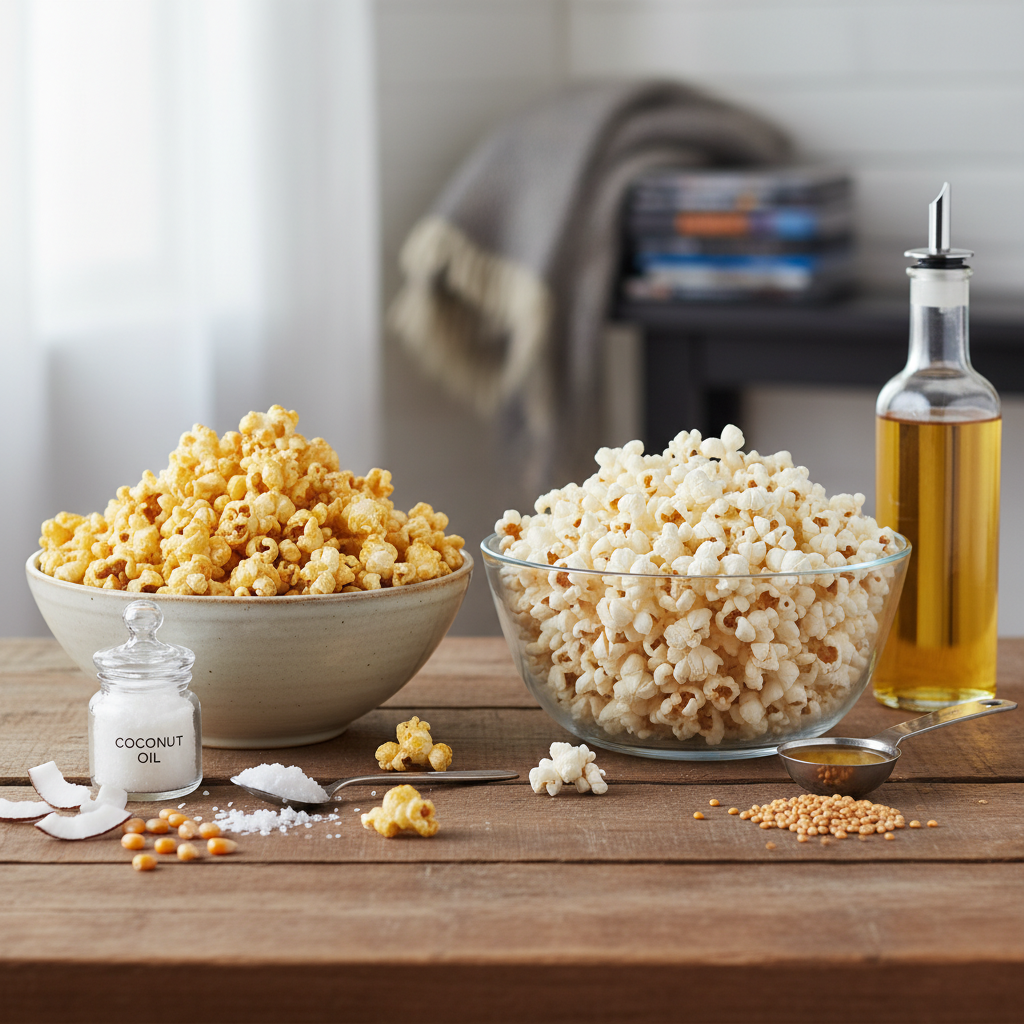
There’s nothing quite like a warm, fluffy bowl of popcorn, whether it’s for a cozy movie night at home or a lively gathering with friends. But the secret to truly exceptional popcorn often lies beyond just the kernels themselves—it’s in the oil you choose. The right oil can elevate your snack from good to gourmet, impacting everything from flavor and aroma to texture and even nutritional profile. Among the myriad of options available, coconut oil and canola oil stand out as two popular contenders, each with its unique characteristics. This comprehensive guide will dive deep into the world of popcorn oils, comparing these two prominent choices to help you pop the perfect batch tailored to your taste and health preferences.
Understanding Popcorn Oils
Before we compare the specifics of coconut and canola oil, it’s essential to grasp what makes an oil suitable for popping popcorn. The process of popping corn involves high heat, which means the chosen oil must have a sufficiently high smoke point. The smoke point is the temperature at which an oil begins to smoke and break down, potentially releasing harmful compounds and imparting an unpleasant, burnt flavor. Beyond its heat tolerance, the oil also plays a crucial role in shaping the final flavor and texture of your popcorn, creating that irresistible crunch and coating the kernels with deliciousness. Historically, rendered animal fats were common, but over time, vegetable oils gained popularity for their versatility and varying health profiles.
Why the Right Oil Matters for Your Popcorn
Choosing the appropriate oil for your popcorn isn’t just a minor detail; it’s a decision that profoundly affects your snacking experience. The oil acts as a heat transfer medium, ensuring that each kernel reaches the ideal temperature to burst open.
Firstly, it dramatically influences the flavor and aroma of your popcorn. A neutral oil allows the pure corn flavor to shine, while a more robust oil, like coconut, can infuse a distinct taste reminiscent of movie theater treats. Secondly, the right oil is key to achieving that desirable crispy, fluffy texture. Oils with good coating abilities help each kernel pop evenly, preventing sad, unpopped “old maids” and creating that satisfying crunch. Thirdly, there are significant health considerations. Oils differ widely in their fat composition, with some being higher in saturated fats and others rich in beneficial unsaturated fats. Being mindful of these differences can help you make a healthier choice for regular consumption. Finally, selecting an oil with a suitable smoke point is paramount for preventing burnt popcorn. An oil that can withstand the necessary high temperatures without breaking down ensures your popcorn tastes delightful, not bitter.
Popular Popcorn Oils: A Deep Dive into Coconut vs. Canola
When it comes to popping popcorn, coconut and canola oils are frequently pitted against each other. Let’s explore each in detail to understand their strengths and weaknesses.
Coconut Oil for Popcorn
Coconut oil is often hailed as the secret ingredient behind classic movie theater popcorn. Its unique properties contribute significantly to the popcorn’s appeal.
- Flavor Profile: Coconut oil imparts a distinct sweet, rich, and slightly nutty flavor that many associate with the authentic movie theater popcorn experience. It also provides a subtle buttery taste, enhancing the overall indulgence. Refined coconut oil tends to have a milder flavor compared to its unrefined counterpart, which can add a more pronounced tropical note.
- Smoke Point: Refined coconut oil generally has a smoke point ranging from 350°F to 400°F (177°C to 204°C). This temperature range is usually ideal for popping corn effectively without burning, though virgin coconut oil has a lower smoke point.
- Health Aspects: This is where coconut oil often sparks debate. It is notably high in saturated fat, which historically led to recommendations for moderate consumption. However, it also contains medium-chain triglycerides (MCTs) and lauric acid. MCTs are metabolized differently by the body, converting quickly into energy, while lauric acid is known for its antimicrobial properties and potential role in increasing beneficial HDL cholesterol. Despite these potential benefits, its high saturated fat content means some health experts advise using it in moderation.
- Texture and Performance: Coconut oil is excellent at creating a crispy texture and offers superb coating abilities, leading to more even popping and fewer unpopped kernels. It’s solid at room temperature, which helps it adhere well to the kernels before heating.
- Cost and Availability: Generally, coconut oil is more expensive than many other vegetable oils, including canola oil. It’s widely available in most grocery stores.
|
Our Picks for the Best Popcorn maker in 2026
As an Amazon Associate I earn from qualifying purchases.
|
||
| Num | Product | Action |
|---|---|---|
| 1 | Ecolution Patented Micro-Pop Microwave Popcorn Popper with Temperature Safe Glass, 3-in-1 Lid Measures Kernels and Melts Butter, Made Without BPA, Dishwasher Safe, 3-Quart, Red |

|
| 2 | DASH Fresh Pop Popcorn Maker - Oil-Free, Air Popcorn Popper - With Measuring Cup & Recipe Guide - Perfect for Movie Nights - 16 Cups, Aqua |
|
| 3 | Elite Gourmet EPM330M Automatic Stirring 12-cup Popcorn Maker Popper, Hot Oil Popcorn Machine w/Measuring Cap & Built-in Reversible Serving Bowl, Great for Home Party Kids, Safety ETL Approved, Mint |
|
| 4 | DASH Fresh Pop Popcorn Maker - Oil-Free, Air Popcorn Popper - With Measuring Cup & Recipe Guide - Perfect for Movie Nights - 16 Cups, White |
|
| 5 | West Bend Stir Crazy Movie Theater Popcorn Popper, Gourmet Popcorn Maker Machine with Nonstick Popcorn Kettle, Measuring Tool and Popcorn Scoop for Popcorn Machine, 4 Qt., Black |
|
| 6 | Presto 04863 Poplite Hot Air Popcorn Popper - Built-In Measuring Cup + Melts Butter, Easy to Clean, Built-In Cord Wrap, 18 Cups, Red |
|
| 7 | Elite Gourmet EPM145M 18-cup Hot Oil Stirring Popcorn Popper w/Measuring Cap & Reversible Serving Bowl & Butter Melting Tray, Great for Parties, Movie Night, Anytime Snack, Safety ETL Approved, Mint |
|
| 8 | Original Whirley Pop Popcorn Machine – 3-Minute Stovetop Popcorn Maker for Home Movie Snacks & Game Night – Wabash Valley Farms – Aluminum Pot With Nylon Gears – (Silver) |
|
| 9 | West Bend Stir Crazy Hot Oil Popcorn Popper, Popcorn Maker Machine with Large Serving Bowl Lid and Stirring Rod Perfect for Movie Night Snack Time or Parties, 6-Quart, Red |
|
| 10 | VEVOR Commercial Popcorn Machine, 8 Oz Kettle, 850 W Countertop Popcorn Maker for 48 Cups per Batch, Theater Style Popper with 3-Switch Control Steel Frame Tempered Glass Doors 2 Scoops 2 Spoons, Red |
|
Canola Oil for Popcorn
Canola oil presents itself as a versatile and often healthier alternative for popcorn lovers.
- Flavor Profile: One of canola oil’s biggest advantages is its neutral, mild flavor. This characteristic allows the natural taste of the popcorn kernels to take center stage, making it a highly versatile option for various seasonings, whether you prefer savory or sweet toppings. Some may even find it imparts a subtle buttery taste similar to coconut oil popcorn, especially refined versions.
- Smoke Point: Canola oil boasts a higher smoke point, typically ranging from 400°F to 450°F (204°C to 232°C). This higher heat tolerance makes it very forgiving for high-temperature cooking methods like stovetop popcorn popping, reducing the risk of oil breaking down and burning.
- Health Aspects: Canola oil is low in saturated fat and high in both monounsaturated and polyunsaturated fats, including omega-3 and omega-6 fatty acids. This fat profile often leads to it being considered a heart-healthier choice. However, concerns have been raised regarding its production methods, including the prevalence of genetically modified (GMO) canola crops and the use of chemical solvents in some refining processes. There are also conflicting studies on its inflammatory effects when heated extensively.
- Texture and Performance: Canola oil effectively helps achieve a good crunch and consistent popping. Its liquid state makes it easy to measure and distribute.
- Cost and Availability: Canola oil is one of the most affordable cooking oils on the market, making it a budget-friendly option for frequent popcorn makers. It is readily available in nearly all grocery stores.
Other Popcorn Oil Options
While coconut and canola are often primary considerations, other oils can also be used, each bringing its own qualities to your popcorn:
- Avocado Oil: With an impressively high smoke point (up to 520°F or 271°C) and rich in healthy monounsaturated fats, avocado oil offers a subtle, buttery taste and is an excellent choice for health-conscious individuals.
- Peanut Oil: Known for its distinct nutty flavor and high smoke point (350-450°F or 177-232°C), peanut oil creates a savory popcorn experience. However, it’s crucial to consider nut allergies.
- Sunflower Oil: This oil offers a light, clean flavor and a medium-to-high smoke point (320-450°F or 160-232°C), making it a good, neutral option.
- Light/Refined Olive Oil: While extra virgin olive oil has a lower smoke point, light or refined olive oil can be suitable for popcorn, offering healthy fats and subtle fruity notes without overpowering the corn.
Coconut Oil vs. Canola Oil: A Detailed Comparison Table
Choosing between coconut and canola oil often comes down to balancing taste, health, and practicality. Here’s a comparative look:
| Feature | Coconut Oil | Canola Oil |
|---|---|---|
| Flavor | Sweet, rich, buttery, nutty, movie theater | Neutral, mild, allows corn flavor |
| Smoke Point | 350-400°F (refined) | 400-450°F |
| Saturated Fat | High | Low |
| Unsaturated Fat | Low | High (mono- & poly-) |
| Health Benefits | MCTs, Lauric Acid (benefits debated due to sat fat) | Omega-3/6, potentially anti-inflammatory (processing concerns) |
| Texture | Crispy, even pop | Good crunch |
| Cost | Higher | Lower (most affordable) |
| Common Use | Movie theater style | Versatile, neutral cooking |
| Concerns | High saturated fat, can burn if overheated | GMOs, processing methods, conflicting health studies |
Key Factors When Choosing Your Popcorn Oil
Making the best choice for your popcorn oil involves considering several important criteria:
Smoke Point and Flavor Profile
The smoke point of an oil is arguably the most critical technical factor. You need an oil that can withstand the high temperatures required to pop corn (around 350°F to 400°F) without breaking down. Using an oil with too low a smoke point will result in burnt-tasting popcorn and potentially harmful compounds. Simultaneously, consider your desired flavor profile. Do you crave the rich, sweet, and buttery taste of movie theater popcorn? Then coconut oil is likely your go-to. If you prefer the natural taste of corn to shine through, allowing you to experiment with various seasonings, a neutral oil like canola will be more suitable.
Health Considerations
The health aspects of your chosen oil are increasingly important. Coconut oil is high in saturated fat, which means it should be consumed in moderation, particularly if you are monitoring your saturated fat intake. However, it does contain beneficial MCTs and lauric acid. Canola oil, on the other hand, is rich in heart-healthy unsaturated fats and is lower in saturated fat. While its nutritional profile is generally favorable, some people have concerns about its common use of genetically modified crops and certain industrial processing methods. For a truly healthy choice, also consider options like avocado oil.
Availability and Cost
Your budget and access to different oils will also play a role. Canola oil is often the most budget-friendly and widely available option, making it an excellent choice for frequent popcorn makers or those on a tighter budget. Coconut oil, while popular, can be more expensive, especially unrefined or organic varieties. Consider how often you’ll be making popcorn and the quantity you need when factoring in cost.
Versatility
Think about how versatile you want your popcorn oil to be. If you plan to experiment with a wide array of sweet and savory seasonings, a neutral oil like canola will provide a blank canvas. If you appreciate the inherent flavor that an oil brings, then coconut oil’s distinct taste might be precisely what you’re looking for, even if it might slightly influence other toppings.
Top Popcorn Oils Recommended by Experts
While personal preference ultimately dictates the “best” oil, experts often lean towards specific choices based on a balance of flavor, performance, and health considerations.
- Refined Coconut Oil is a perennial favorite for those seeking the quintessential movie theater popcorn taste. Its high smoke point and rich, buttery flavor make it a top contender for achieving that classic experience.
- Canola Oil is widely recommended for its neutral flavor profile and its balance of a high smoke point with a healthier fat composition, appealing to those who prefer a less pronounced oil flavor and a more health-conscious option.
- Avocado Oil is increasingly gaining recognition as a premium choice, particularly for its exceptionally high smoke point and excellent health benefits, making it ideal for perfectly popped kernels with a subtle, rich flavor.
Tips for Popping Perfect Popcorn with Your Chosen Oil
Regardless of whether you choose coconut or canola, these tips will help you achieve consistently delicious popcorn:
- Measure Correctly: Don’t overload the oil. Typically, 2 to 3 tablespoons of oil for half a cup of kernels is sufficient, but this can vary slightly by popcorn maker type and desired crispness. Too much oil can result in soggy popcorn.
- Preheat Properly: Always preheat your popcorn maker or pot for a few minutes before adding the oil and kernels. This ensures the oil heats evenly and quickly, which is crucial for uniform popping and preventing burning.
- Monitor Heat and Popping Pace: Maintain a consistent medium-high heat. Listen to the popping sounds; if the popping slows significantly (less than one pop every two seconds), remove it from the heat immediately to prevent burning the unpopped kernels and the oil.
- Cleanliness is Key: Regularly clean your popcorn kettle or pot. Old, burnt oil residue can negatively impact the flavor of fresh batches and even lower the effective smoke point of new oil.
- When to Add Seasonings: For the best texture and to prevent sticking or burning, add seasonings, especially sugar or salt, after the popcorn has popped. If you’re adding dry seasonings to air-popped corn, a light mist of water or a tiny drizzle of oil can help them adhere.
Frequently Asked Questions
Is coconut oil truly healthy for popcorn despite its saturated fat content?
Coconut oil contains medium-chain triglycerides (MCTs) and lauric acid, which offer some health benefits. However, its high saturated fat content means it should be consumed in moderation as part of a balanced diet, especially if you’re mindful of cardiovascular health.
What is the ideal smoke point for popcorn oil?
The ideal smoke point for popcorn oil is generally between 350°F and 450°F (177°C and 232°C). This range ensures the oil can withstand the high heat necessary for popping kernels without smoking, burning, or producing off-flavors.
Can I use extra virgin olive oil for popping popcorn?
Extra virgin olive oil has a relatively low smoke point (around 325-375°F or 160-190°C), which means it can easily burn at the temperatures needed for popcorn. It’s better to use light or refined olive oil, which has a higher smoke point, or save extra virgin olive oil for drizzling after popping.
Why do movie theaters often use coconut oil?
Movie theaters primarily use coconut oil because it creates a distinct, rich, and buttery flavor and aroma that is synonymous with the classic movie theater popcorn experience. It also provides a satisfying crispy texture and a visually appealing yellow hue.
Is organic canola oil a better choice for popcorn?
Organic canola oil can be a better choice as it addresses concerns about genetically modified organisms (GMOs) and the use of pesticides in conventional canola farming. It offers the same neutral flavor and high smoke point as regular canola oil, with the added benefit of being produced without synthetic inputs.