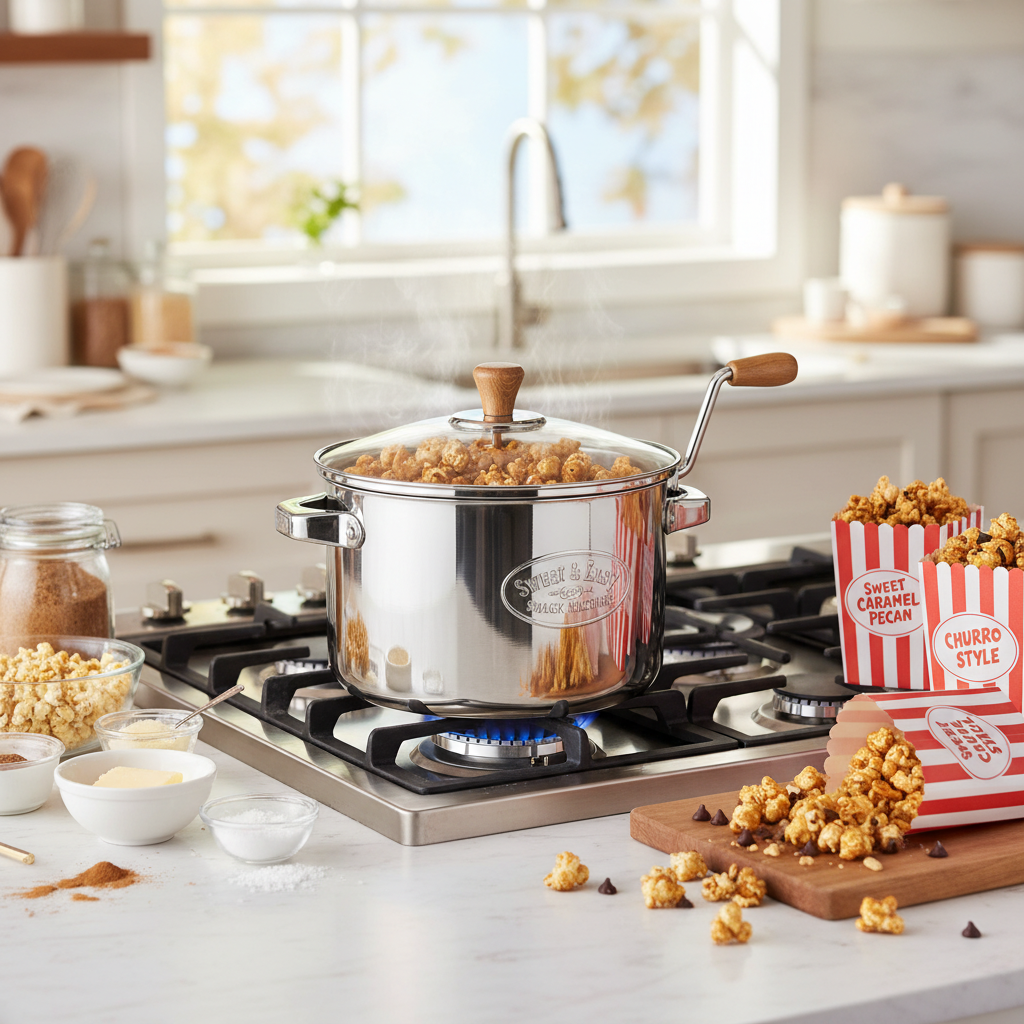
Discovering rust on your beloved cast iron popcorn pot can be disheartening, making you wonder if its glory days of producing crispy, flavorful popcorn are over. But don’t despair! Cast iron is incredibly resilient, and with the right approach, even a severely rusted pot can be fully restored to its former, ready-to-pop self. This guide, drawing on years of experience with home appliances, will walk you through every step of transforming your rusty relic into a gleaming, perfectly seasoned popcorn pot, ensuring countless batches of delicious popcorn for years to come.
Understanding Your Rusted Cast Iron Popcorn Pot
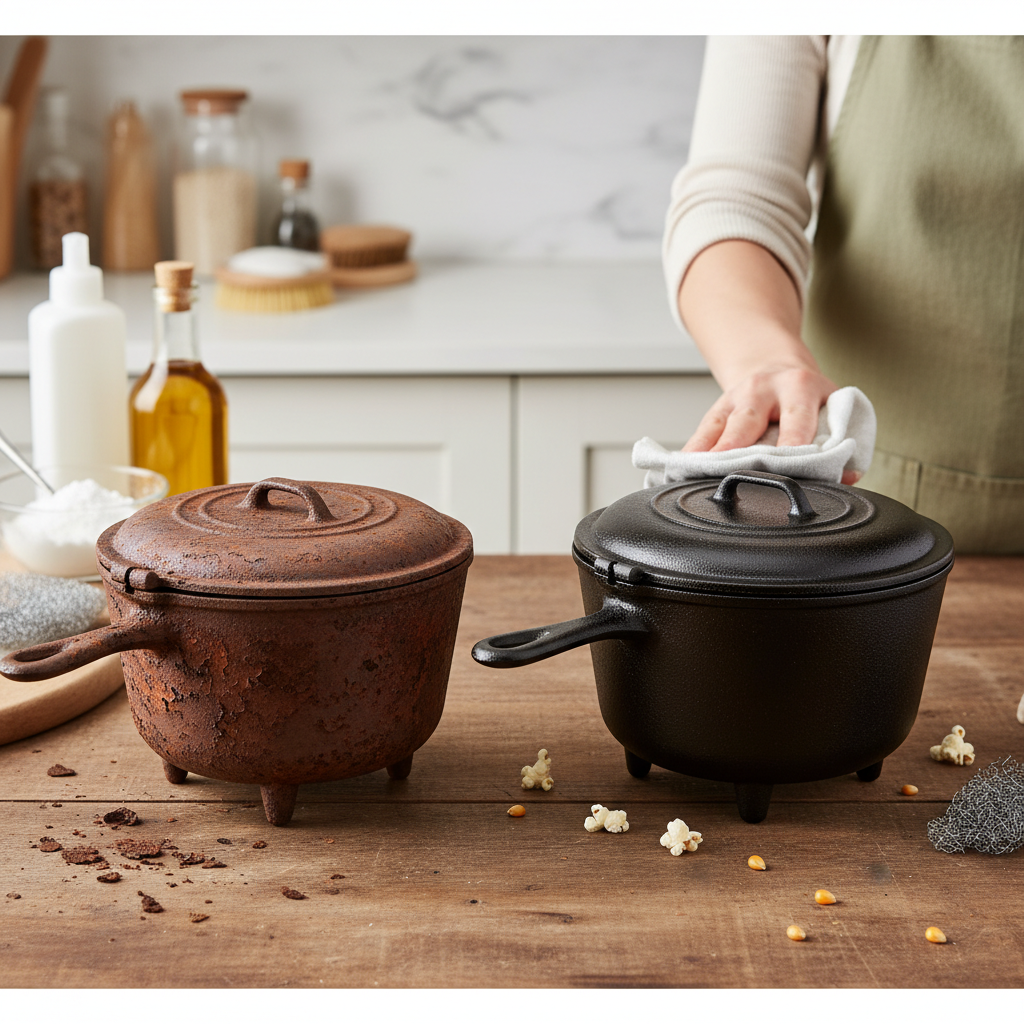
Cast iron cookware, including your popcorn pot, is prized for its durability, even heat distribution, and ability to develop a naturally non-stick surface through seasoning. This seasoning is a polymerized layer of oil bonded to the iron, which not only provides a cooking surface but also protects the metal from oxidation – or rust. Rust forms when bare cast iron comes into contact with moisture and oxygen, leading to iron oxide. It’s a common issue, often caused by improper drying, leaving food residues, or storing the pot in a humid environment. However, minor surface rust or even significant corrosion doesn’t mean your pot is beyond saving; it merely requires some tender loving care to bring it back to life.
Is Your Rusted Popcorn Pot Salvageable?
Before you begin the restoration process, it’s helpful to assess the extent of the rust. Most cast iron pots are salvable, especially if the rust is primarily on the surface. You’ll typically encounter two types of rust:
- Surface Rust: This appears as reddish-brown spots or a thin, flaky coating. It’s the most common and easiest to remove, often requiring just some vigorous scrubbing.
- Deeply Pitted Rust: If the rust has been present for a long time, it might have started to pit the metal, creating small depressions. While more challenging, even pitted cast iron can usually be restored, though the surface might retain some minor imperfections.
The only time a cast iron pot might be unsalvageable is if it has completely cracked or has holes, indicating structural damage beyond repair. For rust, however, perseverance is key, and the vast majority of rusted pots can be made safe and functional again.
Essential Tools and Materials for Restoration
Gathering the right tools and materials before you start will make the restoration process smoother and more efficient. Safety should always be your top priority, especially when dealing with rust and potentially harsh cleaning agents.
Here’s what you’ll need:
- Safety Gear:
- Rubber gloves (for protecting your hands from rust and cleaning solutions)
- Safety glasses (to protect your eyes from flying rust particles)
- Face mask (especially if working in a poorly ventilated area or creating a lot of dust)
- Rust Removal Tools:
- Stiff-bristled scrub brush or heavy-duty sponge
- Steel wool (various grades, from fine to coarse)
- Wire brush (can be manual or an attachment for a drill for heavier rust)
- Coarse salt (like kosher or sea salt) for abrasive scrubbing
- Heavy-duty oven cleaner (lye-based, use with extreme caution and only outdoors)
- Cleaning & Drying Supplies:
- Dish soap (mild, for post-rust removal cleaning)
- Clean cloths or paper towels
- Aluminum foil (for oven seasoning)
- Seasoning Materials:
- High smoke point cooking oil (e.g., vegetable oil, canola oil, grapeseed oil, flaxseed oil, melted shortening)
Having these items readily available will ensure you can move through each stage of restoration seamlessly.
Step-by-Step Guide to Rust Removal
Removing rust is the most labor-intensive part of the restoration, but it’s essential for a successful outcome. Choose the method that best suits the severity of your pot’s rust.
Mechanical Removal (Brushing & Scrubbing)
|
Our Picks for the Best Popcorn maker in 2026
As an Amazon Associate I earn from qualifying purchases.
|
||
| Num | Product | Action |
|---|---|---|
| 1 | Ecolution Patented Micro-Pop Microwave Popcorn Popper with Temperature Safe Glass, 3-in-1 Lid Measures Kernels and Melts Butter, Made Without BPA, Dishwasher Safe, 3-Quart, Red |

|
| 2 | VEVOR Commercial Popcorn Machine, 8 Oz Kettle, 850 W Countertop Popcorn Maker for 48 Cups per Batch, Theater Style Popper with 3-Switch Control Steel Frame Tempered Glass Doors 2 Scoops 2 Spoons, Red |
|
| 3 | West Bend Stir Crazy Hot Oil Popcorn Popper, Popcorn Maker Machine with Large Serving Bowl Lid and Stirring Rod Perfect for Movie Night Snack Time or Parties, 6-Quart, Red |
|
| 4 | Elite Gourmet EPM330M Automatic Stirring 12-cup Popcorn Maker Popper, Hot Oil Popcorn Machine w/Measuring Cap & Built-in Reversible Serving Bowl, Great for Home Party Kids, Safety ETL Approved, Mint |
|
| 5 | DASH Fresh Pop Popcorn Maker - Oil-Free, Air Popcorn Popper - With Measuring Cup & Recipe Guide - Perfect for Movie Nights - 16 Cups, Aqua |
|
| 6 | Elite Gourmet EPM145M 18-cup Hot Oil Stirring Popcorn Popper w/Measuring Cap & Reversible Serving Bowl & Butter Melting Tray, Great for Parties, Movie Night, Anytime Snack, Safety ETL Approved, Mint |
|
| 7 | Presto 04863 Poplite Hot Air Popcorn Popper - Built-In Measuring Cup + Melts Butter, Easy to Clean, Built-In Cord Wrap, 18 Cups, Red |
|
| 8 | Original Whirley Pop Popcorn Machine – 3-Minute Stovetop Popcorn Maker for Home Movie Snacks & Game Night – Wabash Valley Farms – Aluminum Pot With Nylon Gears – (Silver) |
|
| 9 | West Bend Stir Crazy Movie Theater Popcorn Popper, Gourmet Popcorn Maker Machine with Nonstick Popcorn Kettle, Measuring Tool and Popcorn Scoop for Popcorn Machine, 4 Qt., Black |
|
| 10 | DASH Fresh Pop Popcorn Maker - Oil-Free, Air Popcorn Popper - With Measuring Cup & Recipe Guide - Perfect for Movie Nights - 16 Cups, White |
|
This method is ideal for surface rust and lighter corrosion.
- Start Scrubbing: Begin by dry scrubbing the entire pot with steel wool or a wire brush. Apply firm pressure to scrape away all visible rust. For tougher spots, a drill attachment with a wire brush can significantly speed up the process.
- Add Abrasives: For an extra boost, sprinkle coarse salt onto the rusty areas. The salt acts as an abrasive, helping to lift stubborn rust when scrubbed with a stiff brush or potato half.
- Wash Thoroughly: Once you believe all rust is gone, wash the pot with warm, soapy water and a scrub brush. Don’t be afraid to use soap here; you want to remove every speck of rust and old residue.
- Inspect and Repeat: Rinse thoroughly. If you see any rust spots remaining, dry the pot completely and repeat the scrubbing process until the metal is uniformly grey or dark.
Chemical/Acidic Solutions (Vinegar Soak)
For more widespread or stubborn rust, a vinegar soak can be very effective.
- Prepare the Solution: Mix equal parts white vinegar and water in a container large enough to submerge your popcorn pot.
- Soak the Pot: Carefully place the rusted pot into the vinegar solution, ensuring it is fully submerged.
- Monitor Closely: Let the pot soak for 15 minutes to an hour. Crucially, do not leave it for longer than two hours, and definitely not more than eight hours, as prolonged exposure can damage the cast iron itself. Check every 15-30 minutes; you should see rust beginning to flake off or dissolve.
- Scrub and Rinse: Once the rust appears loosened, remove the pot from the vinegar solution. Using steel wool or a stiff brush, vigorously scrub off any remaining rust. Rinse the pot thoroughly with warm water and mild dish soap to neutralize the acid and wash away rust particles.
- Immediate Drying: Dry the pot immediately and completely with a towel. You can place it on the stovetop over low heat for a few minutes to ensure it’s bone dry and prevent “flash rust,” which can occur rapidly after an acid bath. If flash rust appears, a quick scrub with oil and salt should remove it before re-seasoning.
Electrolysis (Advanced Method – Brief Mention)
For severely corroded or antique cast iron pieces, electrolysis is a highly effective method. This involves setting up an electrical current in a lye solution to chemically convert rust back into iron. However, this is an advanced technique requiring specific equipment and significant safety precautions, usually beyond the scope of typical home restoration.
The Crucial Process of Re-Seasoning Your Cast Iron Pot
Once all the rust is removed and your popcorn pot is clean and dry, the most vital step is re-seasoning. This creates the protective, non-stick layer that makes cast iron so desirable.
Cleaning After Rust Removal
Even after scrubbing and rinsing, ensure your pot is impeccably clean. Wash it one last time with warm, soapy water, ensuring no rust particles or cleaning residues remain. Rinse thoroughly under hot running water.
Applying a Thin Coat of Oil
- Dry Completely: As mentioned, dry the pot thoroughly with a cloth, then place it on a stovetop over low heat for a few minutes until it is completely dry and warm to the touch. This helps the oil absorb better.
- Apply Oil: Using a clean, lint-free cloth or paper towel, apply a very thin, even layer of your chosen high smoke point cooking oil to all surfaces of the cast iron popcorn pot – inside, outside, handles, and lid if it’s also cast iron. The key is “thin”; you want just enough to give it a slight sheen, not enough to drip or pool. Excess oil will lead to a sticky, gummy finish.
- Buff Excess Oil: After applying, use a fresh, clean cloth or paper towel to buff away any visible excess oil. You should feel like you’re trying to wipe it all off, leaving only a microscopic film behind. This is crucial for a smooth, hard seasoning layer.
Baking for Seasoning
This is where the oil polymerizes and bonds to the iron.
- Preheat Oven: Preheat your oven to a high temperature, typically between 450-500°F (230-260°C).
- Prepare for Baking: Place a sheet of aluminum foil on the bottom rack of your oven to catch any potential oil drips.
- Bake Upside Down: Place your oiled cast iron popcorn pot upside down on the middle rack of the oven. Baking upside down helps prevent oil from pooling and creating sticky spots.
- Bake and Cool: Bake for one hour. After an hour, turn off the oven and allow the pot to cool completely inside the oven. This slow cooling process helps the seasoning cure properly and adhere firmly to the iron.
- Repeat for Best Results: For a truly robust and durable seasoning, repeat the oiling and baking process at least two to three more times. The more layers, the stronger and more non-stick your seasoning will become.
Maintaining Your Restored Popcorn Pot
Congratulations! You’ve successfully restored your cast iron popcorn pot. Now, ongoing maintenance is vital to prevent rust from returning and to continuously build up that beautiful seasoning.
- Clean Promptly: After each use, clean your pot promptly. Mild dish soap and warm water are perfectly fine. Avoid harsh detergents or steel wool for regular cleaning, as they can strip seasoning. A stiff nylon brush or a cast iron scraper works well for stuck-on food.
- Dry Thoroughly: This is paramount. Always dry your cast iron immediately after washing. Towel dry, then place it on a stovetop over low heat for a few minutes until all moisture has evaporated.
- Light Oil Coat: While the pot is still warm after drying, apply a very thin layer of cooking oil to all surfaces. Wipe off any excess. This replenishes the seasoning and provides a protective barrier.
- Proper Storage: Store your cast iron popcorn pot in a dry place. If stacking other cookware on top, place a paper towel between items to absorb any moisture and prevent scratches.
- Regular Use: The best way to maintain seasoning is to use your pot regularly! Each time you cook with oil, you contribute to the seasoning layer, making it more resilient and non-stick over time.
Common Mistakes to Avoid During Restoration
Restoring cast iron is straightforward, but a few common pitfalls can hinder your efforts. Being aware of these can save you time and frustration.
- Over-Oiling: Applying too much oil during seasoning is perhaps the most common mistake. It results in a sticky, gummy finish that can smoke excessively and peel off. Remember, a thin, almost non-existent layer is what you’re aiming for.
- Incomplete Drying: Any moisture left on cast iron after cleaning is an open invitation for rust to return, sometimes within hours. Always ensure your pot is bone-dry before storing or re-oiling.
- Leaving Acidic Solutions Too Long: While vinegar is excellent for rust removal, leaving your pot to soak for excessive periods can damage the iron itself, leading to pitting or a rough surface. Monitor soaking times carefully.
- Neglecting Immediate Re-Seasoning: After stripping rust, your cast iron is bare and highly vulnerable to flash rust. It is crucial to re-season it as soon as it’s clean and dry to protect the metal.
- Using Harsh Abrasives for Regular Cleaning: While steel wool is necessary for rust removal, it’s too aggressive for routine cleaning of a seasoned pot, as it can strip away the protective layer you’ve worked hard to build.
“The magic of cast iron isn’t just in its cooking performance, but in its ability to be resurrected. A rusty pot isn’t ruined; it’s simply waiting for a second chance.” – Chef Anya Sharma, Cast Iron Cookware Specialist
Conclusion
Restoring a rusted cast iron popcorn pot is a rewarding project that extends the life of a valuable piece of cookware. By understanding how rust forms, meticulously removing it, and carefully re-seasoning your pot, you transform a forgotten item into a cherished kitchen tool. The process of rust removal, thorough cleaning, and diligent re-seasoning ensures your pot is not only aesthetically pleasing but also perfectly functional for years of popcorn-making joy. So, why let a little rust deter you from enjoying fresh, homemade popcorn? Give your cast iron popcorn pot the revival it deserves!
Frequently Asked Questions
Can I use soap on cast iron during restoration?
Yes, absolutely! During the rust removal phase, you should use soap and warm water to thoroughly clean the pot and remove all rust particles and old gunk. After re-seasoning, mild soap is also fine for regular cleaning, as long as you dry the pot immediately and completely.
What kind of oil is best for seasoning cast iron?
High smoke point oils are ideal for seasoning. Popular choices include vegetable oil, canola oil, grapeseed oil, and melted shortening. Some enthusiasts also swear by flaxseed oil for a very hard, durable seasoning, though it can be more prone to flaking for beginners.
How often should I re-season my cast iron popcorn pot?
A full re-seasoning, like the one performed after rust removal, isn’t needed very often – perhaps every few years, or if the seasoning becomes sticky, patchy, or flakes off. For daily maintenance, simply applying a thin layer of oil after each wash and dry is usually sufficient to maintain and build up the seasoning.
My pot turned orange after I dried it. Is it ruined?
No, that’s called “flash rust” and it’s quite common after deep cleaning, especially after an acidic soak, because the bare iron is highly reactive to moisture. It’s not ruined. Simply scrub it lightly with a bit of oil and salt or fine steel wool, then rinse, dry, and proceed with seasoning immediately.
Is a slightly pitted cast iron pot still safe to use after restoration?
Yes, minor pitting from rust is generally fine. As long as the pitting isn’t deep enough to create holes or compromise the structural integrity, a thoroughly cleaned and re-seasoned pot is safe to use. The new seasoning layers will help fill in some of the smaller imperfections over time.