For dedicated coffee enthusiasts, the pursuit of the perfect cup often leads to the rewarding world of home roasting. The aroma of freshly roasted beans, tailored to your exact preferences, is an unparalleled experience. While professional coffee roasters exist, many have discovered a surprisingly effective and budget-friendly alternative: the humble popcorn maker. This guide dives deep into selecting the best popcorn makers for roasting coffee, exploring their benefits, drawbacks, and offering a comprehensive buying guide to help you achieve your ideal roast at home.
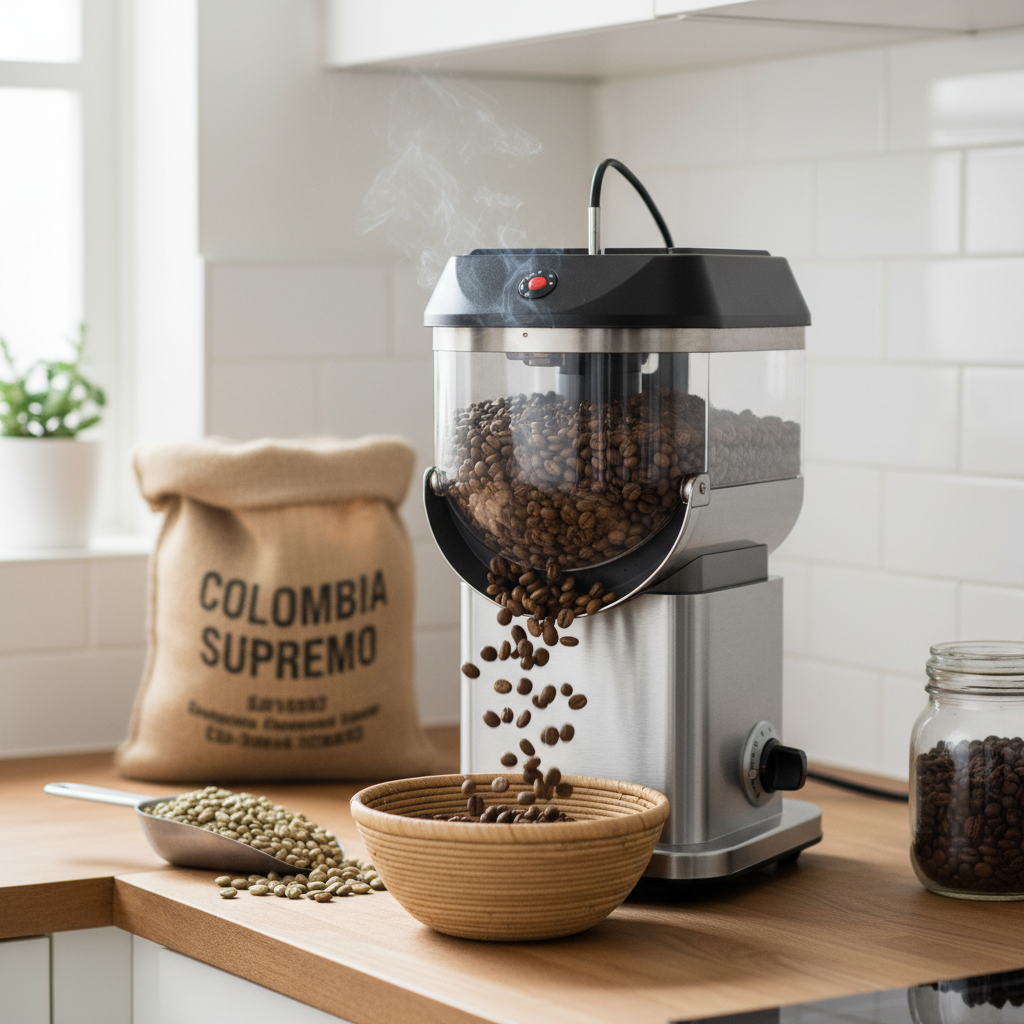
Overview of Popcorn Makers for Coffee Roasting
A popcorn maker, traditionally designed for popping corn kernels, is a domestic appliance that uses heat and sometimes oil to prepare popcorn. Historically, popcorn has been made over open fires or on stovetops, but dedicated machines brought convenience to the process.
The leap from popping corn to roasting coffee beans isn’t as far-fetched as it might seem. Many popcorn makers, particularly hot air models, create an environment remarkably similar to commercial fluid-bed coffee roasters. They circulate hot air, ensuring the beans are constantly moving and heated evenly, which is crucial for a consistent roast. This innovative repurposing has been embraced by home roasters for decades, offering an accessible entry point into the craft of coffee roasting without the significant investment of specialized equipment.
There are primarily two types of popcorn makers that home roasters adapt for coffee: hot air poppers and stovetop poppers. Each offers a unique roasting experience with its own set of advantages and considerations.
Benefits of Using a Popcorn Maker for Roasting Coffee
Choosing a popcorn maker for your coffee roasting journey comes with several compelling benefits, making it an attractive option for beginners and seasoned roasters alike.
First and foremost is convenience and speed compared to traditional methods like oven roasting or skillet roasting. Hot air popcorn makers can typically roast a batch of green coffee beans in as little as 5 to 7 minutes, transforming raw beans into aromatic, ready-to-brew coffee in a fraction of the time. This rapid process means you can enjoy fresh coffee almost instantly, whenever the craving strikes.
Another significant advantage is the control over quality and ingredients. Roasting at home allows you to select high-quality green coffee beans from diverse origins, ensuring you know exactly what goes into your cup. You can avoid additives or stale beans often found in pre-roasted commercial coffee. This personal control extends to the roast level itself, enabling you to experiment and discover your preferred flavor profile, from light and fruity to dark and bold.
Ensuring food safety and hygiene is also a key benefit. When you roast at home, you have complete oversight of the cleanliness of your equipment and the handling of your beans. This eliminates concerns about unknown processes or conditions in large-scale commercial operations.
Ultimately, the most satisfying benefit is the ability to create delicious, crispy, and flavorful roasted beans. The rapid, even heating characteristic of many popcorn makers helps to unlock the full potential of your green coffee, yielding a fresh, vibrant flavor that is often superior to store-bought alternatives. The smell of freshly roasting coffee filling your kitchen is an added bonus, creating an inviting and warm atmosphere.
Common Types of Popcorn Makers Utilized for Coffee Roasting
When it comes to repurposing popcorn makers for coffee roasting, two main categories dominate the scene: hot air poppers and stovetop poppers. Each offers a distinct approach to roasting, catering to different preferences and skill levels.
Hot Air Popcorn Makers
Hot air popcorn makers are the most popular choice for home coffee roasting due to their design, which closely mimics professional fluid-bed roasters. They use a powerful heating element and fan to circulate hot air around the kernels (or beans), keeping them in constant motion.
-
Advantages:
- Affordability: Generally inexpensive, making them a low-cost entry point into coffee roasting.
- Speed: Roasting times are typically very fast, often ranging from 5 to 7 minutes per batch.
- Ease of Use: Simple “plug-and-play” operation, requiring minimal setup.
- Cleanliness: No oil is required, resulting in less mess and a “cleaner” roast profile that highlights the coffee’s origin characteristics.
- Even Roasting (with proper technique): The constant agitation from the hot air helps ensure consistent heat distribution across the beans, preventing scorching if managed well.
-
Disadvantages:
- Limited Control: Most standard hot air poppers offer no temperature or fan speed adjustments, making it challenging to achieve precise roast profiles.
- Small Batch Size: Typically limited to roasting 3-4 ounces (85-110 grams) of green beans at a time, which might be insufficient for heavy coffee drinkers or larger households.
- Durability Concerns: Roasting coffee beans puts more stress on the heating elements than popping corn, potentially shortening the appliance’s lifespan. It also voids the manufacturer’s warranty.
- Chaff Management: Hot air poppers blow off chaff (the papery skin of the coffee bean) during roasting, which can create a mess and requires roasting in a well-ventilated area or outdoors.
- Noise: The fan can be quite loud, making it difficult to hear the crucial “first crack” and “second crack” sounds.
-
Usage and Cleaning:
- Usage: Place the popper in a well-ventilated area. Add green coffee beans (ensure they agitate freely). Turn it on. Monitor the roast visually and audibly for cracks. Manually stir the beans in the early stages if agitation is poor.
- Cleaning: After roasting, allow the unit to cool. Wipe the popping chamber with a damp cloth to remove any residue. Remove and discard chaff.
|
Our Picks for the Best Popcorn maker in 2026
As an Amazon Associate I earn from qualifying purchases.
|
||
| Num | Product | Action |
|---|---|---|
| 1 | Elite Gourmet EPM330M Automatic Stirring 12-cup Popcorn Maker Popper, Hot Oil Popcorn Machine w/Measuring Cap & Built-in Reversible Serving Bowl, Great for Home Party Kids, Safety ETL Approved, Mint |

|
| 2 | VEVOR Commercial Popcorn Machine, 8 Oz Kettle, 850 W Countertop Popcorn Maker for 48 Cups per Batch, Theater Style Popper with 3-Switch Control Steel Frame Tempered Glass Doors 2 Scoops 2 Spoons, Red |
|
| 3 | DASH Fresh Pop Popcorn Maker - Oil-Free, Air Popcorn Popper - With Measuring Cup & Recipe Guide - Perfect for Movie Nights - 16 Cups, Aqua |
|
| 4 | Original Whirley Pop Popcorn Machine – 3-Minute Stovetop Popcorn Maker for Home Movie Snacks & Game Night – Wabash Valley Farms – Aluminum Pot With Nylon Gears – (Silver) |
|
| 5 | Presto 04863 Poplite Hot Air Popcorn Popper - Built-In Measuring Cup + Melts Butter, Easy to Clean, Built-In Cord Wrap, 18 Cups, Red |
|
| 6 | DASH Fresh Pop Popcorn Maker - Oil-Free, Air Popcorn Popper - With Measuring Cup & Recipe Guide - Perfect for Movie Nights - 16 Cups, White |
|
| 7 | Ecolution Patented Micro-Pop Microwave Popcorn Popper with Temperature Safe Glass, 3-in-1 Lid Measures Kernels and Melts Butter, Made Without BPA, Dishwasher Safe, 3-Quart, Red |
|
| 8 | West Bend Stir Crazy Hot Oil Popcorn Popper, Popcorn Maker Machine with Large Serving Bowl Lid and Stirring Rod Perfect for Movie Night Snack Time or Parties, 6-Quart, Red |
|
| 9 | Elite Gourmet EPM145M 18-cup Hot Oil Stirring Popcorn Popper w/Measuring Cap & Reversible Serving Bowl & Butter Melting Tray, Great for Parties, Movie Night, Anytime Snack, Safety ETL Approved, Mint |
|
| 10 | West Bend Stir Crazy Movie Theater Popcorn Popper, Gourmet Popcorn Maker Machine with Nonstick Popcorn Kettle, Measuring Tool and Popcorn Scoop for Popcorn Machine, 4 Qt., Black |
|
Stovetop Popcorn Makers (Oil Poppers)
Stovetop popcorn makers, like the Whirley Pop, are designed to be used on a kitchen stovetop and often feature a crank for manual stirring. While typically used with oil for popcorn, they can be adapted for coffee roasting, sometimes without oil if proper technique is used to prevent scorching.
-
Advantages:
- Larger Capacity: Can handle larger batches, often up to a full pound (approximately 450 grams) of green coffee beans.
- More Control: Manual stirring allows for greater control over bean agitation and heat distribution, potentially leading to more consistent roasts, especially for darker profiles.
- Durability: Often made from robust materials like aluminum or stainless steel, which can withstand the higher temperatures and prolonged use associated with coffee roasting.
- Versatility: Can achieve a wider range of roast levels, including darker roasts, compared to some air poppers.
-
Disadvantages:
- Requires Constant Attention: Demands continuous manual stirring and monitoring to prevent scorching and ensure even roasting.
- Messier: If roasting with oil (not recommended for coffee by some), it can be greasy. Even without oil, cleanup can be more involved than with air poppers. Chaff remains in the popper, requiring manual removal.
- Slower Roasting: Generally takes longer than air poppers, sometimes 10-15 minutes or more per batch.
- Learning Curve: Achieving consistent results can require more practice and understanding of heat management on a stovetop.
-
Usage and Cleaning:
- Usage: Place on a burner, preheat if desired. Add green beans (and optional small amount of oil for specific roasting styles, though many dry roast). Continuously crank the stirring mechanism to keep beans moving. Monitor color and cracks.
- Cleaning: Allow to cool. Wipe out the interior. Hand wash with soap and water, paying attention to the stirring mechanism and lid.
Microwave Popcorn Makers
While excellent for their intended purpose of quickly popping corn in a microwave, microwave popcorn makers are generally not suitable for roasting coffee beans. The controlled heating and agitation required for coffee roasting are not typically achievable with these devices. Microwave heating works differently than conductive or convective heat, and it’s difficult to monitor and control the delicate roasting process in this environment. Therefore, they are not recommended for home coffee roasting.
Comparison Table: Air Poppers vs. Stovetop Poppers for Coffee Roasting
Choosing between a hot air popcorn maker and a stovetop popcorn maker for coffee roasting depends largely on your priorities and experience level. Here’s a detailed comparison to help you decide:
| Feature | Hot Air Popcorn Maker | Stovetop Popcorn Maker (e.g., Whirley Pop) |
|---|---|---|
| Cost | Low (typically $20 – $50) | Moderate (typically $30 – $80) |
| Batch Size | Small (3-4 oz / 85-110g) | Larger (up to 1 lb / 450g) |
| Roast Time | Fast (5-7 minutes) | Slower (10-15+ minutes) |
| Control | Limited (on/off), relies on natural heat/airflow | More manual control via stirring and stovetop heat |
| Roast Evenness | Good, but can be inconsistent if beans don’t agitate | Very good with diligent stirring |
| Roast Levels | Best for Light to Medium; Dark roasts can damage unit | Good for Light to Dark roasts |
| Chaff | Blown out, requires ventilation/collection | Stays in unit, requires manual removal |
| Maintenance | Simple wiping, fan/heater prone to wear | Manual cleaning, moving parts can wear |
| Noise Level | Relatively loud (fan noise) | Moderate (cranking sound, bean movement) |
| Learning Curve | Low for basic roasting, higher for consistency | Moderate, requires more hands-on attention |
| Warranty | Voided by coffee roasting | Voided by coffee roasting |
| Ideal For | Beginners, small batches, light/medium roasts | Enthusiasts, larger batches, varied roast profiles |
Recommendation:
- For Beginners & Casual Roasters: A hot air popcorn maker is an excellent starting point. Its low cost and quick operation make it easy to get into home roasting without a significant commitment. Focus on achieving consistent agitation for even roasts.
- For Enthusiasts & Larger Batches: A stovetop popcorn maker offers more control and capacity, allowing for a broader range of roast profiles and larger quantities. It requires more hands-on effort but rewards with greater flexibility.
Important Criteria When Choosing a Popcorn Maker for Roasting Coffee
Selecting the right popcorn maker for your coffee roasting adventures goes beyond just picking up the first cheap option you see. Key features can significantly impact your roasting experience and the quality of your final cup.
Power and Roasting Speed
The wattage of a hot air popcorn maker directly influences its heating power and, consequently, its roasting speed. Higher wattage generally means faster roasting times, which can be both a blessing and a curse. While quick roasts (around 5 minutes) can produce bright, origin-forward flavors, they also offer a narrower window to stop the roast at your desired level, increasing the risk of over-roasting. For stovetop poppers, the heat source is your stove, so consistent heat application is key. Look for models that provide robust and consistent heat to ensure efficient bean development.
Capacity
Consider how much coffee you typically consume.
- Small batches: Hot air poppers usually handle around 3-4 ounces (approximately 75-110 grams) of green beans. This is ideal for experimenting with different beans or roast levels without wasting too much if a batch goes awry. It also encourages roasting more frequently for ultimate freshness.
- Larger batches: Stovetop poppers, like the Whirley Pop, can roast up to a full pound (around 450 grams) at a time, making them suitable for households with higher coffee consumption or those who prefer to roast less often.
Material
The materials used in a popcorn maker significantly affect its durability and heat retention.
- Metal Popping Chamber: For hot air poppers, a metal popping chamber is highly desirable over plastic as it can withstand higher temperatures more effectively and is less prone to melting or degrading over time with the intense heat required for coffee roasting.
- Stainless Steel/Aluminum: Stovetop poppers made from durable materials like stainless steel or aluminum are excellent choices. They offer robust construction, good heat distribution, and are easier to clean. Aluminum is lighter, while stainless steel is often more durable and less reactive.
Features
While standard popcorn makers aren’t designed for coffee, certain features can be beneficial.
- Airflow and Vents (Hot Air Poppers): Look for hot air poppers with air vents on the side of the popping chamber, rather than directly at the bottom. This design promotes better air circulation, ensuring more even bean agitation and less scorching. A strong fan system is crucial for consistent bean movement.
- Stirring Mechanism (Stovetop Poppers): For stovetop models, an effective and durable stirring mechanism (often a crank handle with metal gears) is paramount. This prevents beans from sitting stationary and burning, ensuring a uniform roast. Wooden handles and knobs offer heat protection.
- Ease of Cleaning: Since chaff and oils will be present, an appliance that is easy to wipe down and clean is a huge plus. Detachable parts or non-stick surfaces can simplify maintenance.
- Safety Features: Heat-resistant handles, stable base, and automatic shut-off (though rare in basic poppers used for coffee) are always good considerations.
Brand and Price
While many brands are repurposed, certain models have gained a reputation among home coffee roasters for their performance and durability.
- Reputable Brands (often cited for coffee roasting): Brands like Nostalgia, Presto, Hamilton Beach, West Bend (for air poppers), and Franklin’s Original Whirley Pop (for stovetop) are frequently mentioned in the home roasting community. Sweet Maria’s also offers specialized “Popper” units designed for coffee roasting.
- Price vs. Quality: Popcorn makers range from $20 to $80. While it’s tempting to go for the cheapest option, investing slightly more in a model with better construction (e.g., metal chamber for air poppers, sturdy stirring mechanism for stovetop) can lead to a more consistent and satisfying roasting experience, potentially extending the unit’s lifespan. Remember that using a popcorn maker for coffee roasting typically voids its warranty.
By carefully considering these criteria, you can choose a popcorn maker that not only meets your budget but also provides the best possible foundation for your home coffee roasting journey.
Top Popcorn Makers for Roasting Coffee Beans
While many popcorn makers can be repurposed for coffee roasting, certain models have garnered a strong following within the home roasting community for their effectiveness and reliability. Here are some of the most favored options across different types:
1. Franklin’s Original Whirley Pop Stovetop Popcorn Machine Popper
Often hailed as the “best overall” stovetop option for coffee roasting, the Whirley Pop is a classic for a reason. Its robust, all-aluminum body and durable metal gears ensure longevity and efficient heat transfer.
- Pros: Large 6-quart capacity allows for roasting significant batches (up to 1 lb). The effective stirring mechanism ensures consistent bean movement and even roasting. Heat-resistant wood handle enhances safety. The flip-up lid design makes it easy to monitor the roast without losing too much heat.
- Cons: Requires manual operation and constant attention. Cleaning involves hand-washing.
- Why it’s great for coffee: Its large capacity and superior stirring mechanism make it ideal for achieving consistent roasts across a variety of roast levels, including darker roanks, that some air poppers struggle with.
2. Great Northern Popcorn Original Stainless Steel Stove Top Popper
Another strong contender in the stovetop category, known for its durable construction.
- Pros: Made of stainless steel, offering excellent durability and even heat dispersion. Features wooden knob and handles for burn protection. Large capacity for considerable bean batches. Easy to use and clean.
- Cons: Similar to the Whirley Pop, it requires manual stirring and constant monitoring.
- Why it’s great for coffee: Its stainless steel build and heat-resistant components provide a reliable and safe platform for stovetop coffee roasting, ensuring a consistent and flavorful roast.
3. Nostalgia APH200RED 16-Cup Air-Pop Popcorn Maker
A popular electric air popper that stands out for its efficiency and user-friendliness in coffee roasting.
- Pros: Efficient airflow system keeps beans moving for even roasting. User-friendly with a built-in measuring cap. Lightweight and compact. Fast roasting times.
- Cons: Limited capacity (typically 3-4 oz). Lack of temperature control. Prone to blowing chaff around.
- Why it’s great for coffee: Its powerful fan and consistent heat make it a go-to for beginners seeking a quick and affordable entry into home roasting, particularly for light to medium roasts.
4. PopAir Electric Hot Air Popcorn Popper by VICTORIO VKP1162
If speed is a top priority, this model often gets a nod for its rapid performance.
- Pros: Can roast quickly. Quiet operation compared to some other air poppers.
- Cons: Limited control over roast profile. May require experimentation to achieve desired darkness.
- Why it’s great for coffee: Ideal for those who want fast batches of fresh coffee with minimal fuss, offering a reliable hot air roasting experience.
5. Hamilton Beach 73400 Hot Air Popcorn Popper
Known for its thoughtful design elements that contribute to even heat distribution.
- Pros: Features a flat metal bottom paired with side vents, designed to ensure even heat during roasting and minimize burning risks.
- Cons: Like other air poppers, it has limited capacity and no precise temperature control.
- Why it’s great for coffee: The specific design for heat distribution makes it a strong choice for those concerned about scorching, promoting a more consistent roast profile in an air popper format.
6. West Bend Air Crazy / Poppery II
These classic hot air poppers are frequently modified by experienced home roasters but also perform well in their stock form.
- Pros: Known for robust heating elements suitable for coffee. Simple design.
- Cons: Older models might be harder to find new. Lack of advanced features.
- Why it’s great for coffee: Often recommended for their consistent heat output, these models are a staple for many who have been roasting coffee in popcorn poppers for years.
Note: When using any popcorn maker for coffee roasting, be aware that you will likely void the manufacturer’s warranty. It’s always best to stay with the machine during the entire roasting process for safety and to monitor bean development.
How to Use and Maintain Your Popcorn Maker for Coffee Roasting
Transforming green coffee beans into a flavorful roast using a popcorn maker is a rewarding process, but it requires attention to detail. Proper usage and maintenance will ensure both safety and delicious results.
Steps to Use Your Popcorn Maker Safely and Effectively
-
Preparation is Key:
- Choose a Well-Ventilated Area: Coffee roasting produces smoke and a significant amount of chaff (the papery skin of the bean). Roasting outdoors or under a powerful exhaust fan is highly recommended.
- Gather Your Tools: You’ll need green coffee beans (start with 3-4 ounces or 85-110 grams for air poppers; up to 1 pound for stovetop poppers), a large metal colander or two for cooling, a long-handled spoon (preferably wooden) for stirring (especially for stovetop and initial agitation in air poppers), oven mitts, and ideally a timer. A fire extinguisher nearby is always a wise precaution.
- Preheat (Optional but Recommended): Some roasters prefer to preheat their air popper for 30-60 seconds before adding beans to ensure immediate high heat. For stovetop poppers, preheat the empty popper on medium-high heat for a few minutes.
-
The Roasting Process:
- Add Beans: Carefully pour the green coffee beans into the popping chamber.
- Start the Machine: Turn on your popcorn maker.
- Agitate (if necessary): For hot air poppers, ensure the beans are constantly moving. If they are sluggish, gently swirl or shake the popper, or use your wooden spoon to stir them until the airflow takes over. For stovetop poppers, continuously crank the stirring mechanism.
- Monitor Progress:
- Drying Phase (0-3 minutes): Beans will turn from green to yellow, emitting a grassy smell. Steam may be visible as moisture evaporates.
- First Crack (3-5 minutes for air poppers, longer for stovetop): You’ll hear distinct cracking sounds, similar to popcorn popping. This indicates the light roast stage. The aroma will shift to a more “coffee-like” smell.
- Development Phase (After First Crack): Continue roasting to your desired level. The beans will darken.
- Second Crack (5-7 minutes for air poppers, longer for stovetop): A softer, more rapid “rice krispies” like crackling sound. This signifies medium-dark to dark roasts. Be cautious, as beans can quickly go from perfectly roasted to burnt charcoal. Many home roasters avoid going deep into second crack in popcorn poppers to preserve the machine’s lifespan and prevent ashy flavors.
- Stop the Roast: Once you reach your desired roast level (based on color and sound), immediately turn off the machine.
-
Rapid Cooling is Crucial:
- Pour the hot roasted beans into a metal colander.
- Quickly transfer them back and forth between two colanders, or stir them under a fan. Rapid cooling stops the roasting process and preserves the bean’s flavor. Continue until beans are cool to the touch.
-
Storage and Resting:
- Store your cooled beans in an airtight container, ideally one with a one-way valve to allow for degassing (release of CO2).
- Wait at least 12-24 hours (up to 48 hours for some beans) before grinding and brewing. This “resting” period allows the flavors to develop and stabilize, resulting in a much better cup of coffee.
How to Clean and Maintain Your Popcorn Maker for Longevity
Regular cleaning and maintenance are essential to prolong the life of your repurposed popcorn maker and ensure hygienic roasting.
- Cool Down First: Always allow the popcorn maker to cool completely before attempting to clean it.
- Remove Chaff: For hot air poppers, wipe the popping chamber thoroughly with a damp cloth to remove any residual chaff and oils. For stovetop poppers, discard chaff and wipe out the chamber.
- Wipe Down Exterior: Clean the exterior surfaces with a damp cloth.
- Deep Cleaning (as needed): If there’s a build-up of oily residue, use a mild dish soap solution and a non-abrasive sponge. Ensure no water gets into electrical components for electric poppers.
- Inspect Regularly: Check for any signs of wear and tear, especially on the heating element or stirring mechanism. Given that coffee roasting is more demanding than popping corn, the appliance’s lifespan will likely be shorter than its intended use.
Important Considerations and Troubleshooting
- Warranty Void: Be aware that using a popcorn maker for anything other than popcorn (like coffee) will void its manufacturer’s warranty.
- Uneven Roast: This is a common issue, especially with air poppers. Ensure adequate bean agitation throughout the roast. You might need to manually stir in the early stages or even tilt the popper slightly to keep beans moving.
- Overheating: Roast in a well-ventilated area. If your air popper is running too hot and roasting too fast, try plugging it into an extension cord (which can slightly reduce voltage) or elevating it to allow more cool air circulation. If it’s not hot enough, plug it directly into the wall.
- Smoke and Smell: Roasting produces a significant amount of smoke and a strong aroma. Always roast in a place where this won’t be an issue, such as outdoors or with robust ventilation.
- Consistency: Achieving consistent roast profiles with a basic popcorn maker can be challenging due to limited controls. Keep detailed notes (bean type, batch size, roast time, temperature if measured, visual/auditory cues) for each batch to learn and refine your process.
- Small Batches: If you consume a lot of coffee, you will need to roast multiple small batches, which can be time-consuming.
By following these guidelines, you can safely and effectively use your popcorn maker to unlock the incredible world of home-roasted coffee, enjoying unparalleled freshness and flavor.
Conclusion
Embarking on the journey of home coffee roasting with a popcorn maker is a testament to ingenuity and a passion for fresh, flavorful coffee. These readily available appliances offer an accessible and cost-effective entry point into a rewarding craft, allowing you to control every aspect of your coffee, from the green bean to the final brew. Whether you opt for the quick, no-oil approach of a hot air popper or the hands-on control and larger capacity of a stovetop model, the benefits of unparalleled freshness and customized flavor profiles are within reach.
While these repurposed machines come with their own set of considerations, such as learning to manage roast consistency, dealing with chaff, and acknowledging a potentially reduced lifespan, the sheer satisfaction of brewing a cup from beans you’ve roasted yourself is truly incomparable. With careful attention to the roasting process, diligent cooling, and proper storage, you can transform ordinary green beans into extraordinary coffee.
So, are you ready to elevate your coffee experience and discover the incredible flavors that await when you become your own roaster?