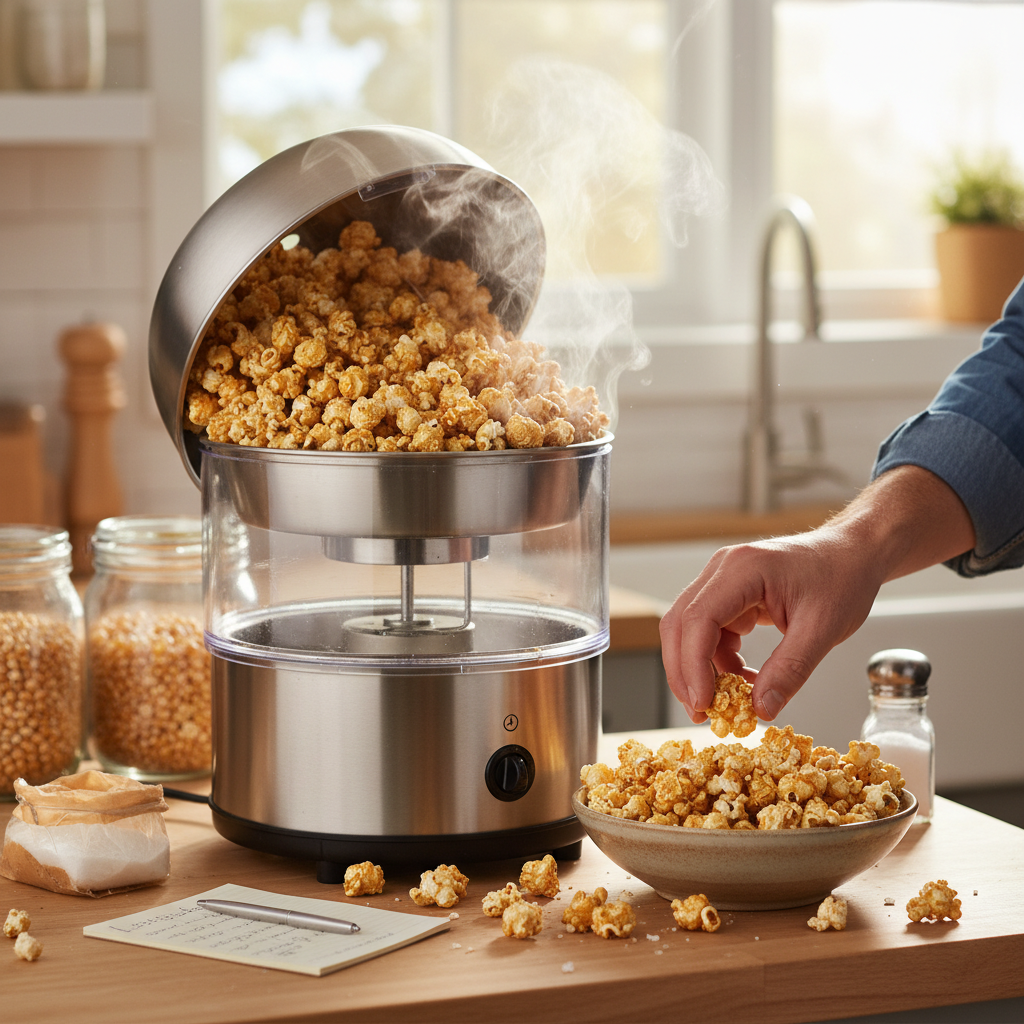
There’s nothing quite like a fresh bowl of popcorn—the fluffy texture, the satisfying crunch, and the endless possibilities for flavor. But with traditional microwave popcorn bags raising health concerns and stovetop methods sometimes feeling like a chore, many popcorn lovers are turning to dedicated microwave popcorn poppers. These ingenious devices offer a healthier, more convenient way to enjoy your favorite snack. However, when it comes to material, two main contenders stand out: glass and silicone. Choosing between them can be a tricky decision, as each brings its unique set of advantages and considerations to your kitchen.
Understanding Microwave Popcorn Poppers
Microwave popcorn poppers are specialized containers designed to pop kernels using microwave energy, offering a quick and efficient alternative to pre-packaged bags or stovetop cooking. Typically, you place a small amount of kernels, with or without oil, into the popper, cover it with a lid, and microwave until popping slows. These devices harness the microwave’s ability to heat the kernels directly, making them expand and burst into fluffy popcorn.
The Rise of Microwave Popcorn Poppers: A Healthier Choice
Modern microwave popcorn poppers have surged in popularity as consumers seek healthier and more customizable snack options. Unlike many pre-packaged microwave popcorn bags that can contain artificial flavors, trans fats, and chemicals like PFOA in their linings, these poppers allow you to control every ingredient. You can opt for organic kernels, use no oil or just a touch of your preferred healthy oil, and add seasonings to taste. This not only results in a cleaner snack but often a more cost-effective one in the long run, reducing waste from single-use bags and offering a more eco-friendly approach to your popcorn habit.
Glass Microwave Popcorn Poppers: Crystal Clear Convenience
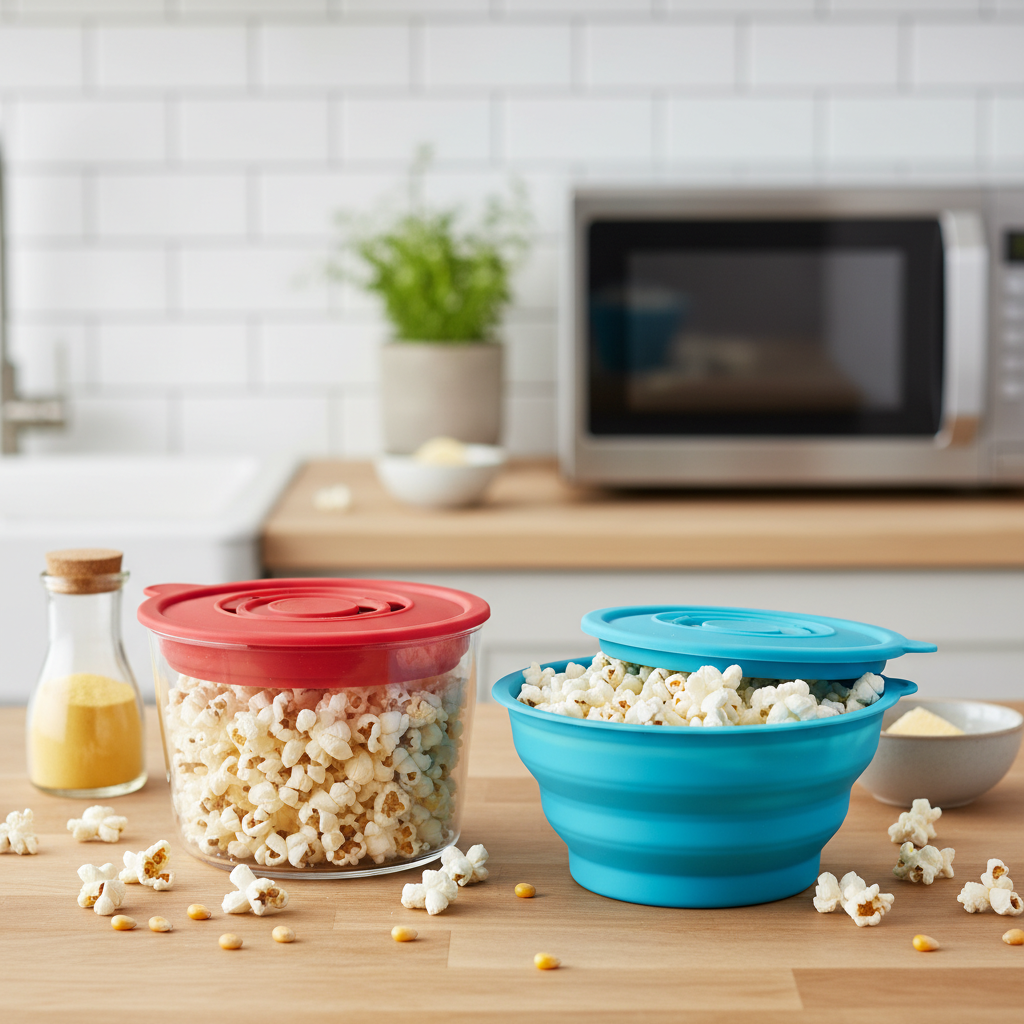
Glass microwave popcorn poppers typically consist of a durable glass bowl, often made from borosilicate glass for its heat resistance, and a lid, which can be glass, silicone, or plastic. They embody a classic aesthetic and offer a robust feel in the hand.
Advantages of Glass Poppers
|
Our Picks for the Best Popcorn maker in 2026
As an Amazon Associate I earn from qualifying purchases.
|
||
| Num | Product | Action |
|---|---|---|
| 1 | Elite Gourmet EPM330M Automatic Stirring 12-cup Popcorn Maker Popper, Hot Oil Popcorn Machine w/Measuring Cap & Built-in Reversible Serving Bowl, Great for Home Party Kids, Safety ETL Approved, Mint |

|
| 2 | VEVOR Commercial Popcorn Machine, 8 Oz Kettle, 850 W Countertop Popcorn Maker for 48 Cups per Batch, Theater Style Popper with 3-Switch Control Steel Frame Tempered Glass Doors 2 Scoops 2 Spoons, Red |
|
| 3 | West Bend Stir Crazy Movie Theater Popcorn Popper, Gourmet Popcorn Maker Machine with Nonstick Popcorn Kettle, Measuring Tool and Popcorn Scoop for Popcorn Machine, 4 Qt., Black |
|
| 4 | DASH Fresh Pop Popcorn Maker - Oil-Free, Air Popcorn Popper - With Measuring Cup & Recipe Guide - Perfect for Movie Nights - 16 Cups, White |
|
| 5 | DASH Fresh Pop Popcorn Maker - Oil-Free, Air Popcorn Popper - With Measuring Cup & Recipe Guide - Perfect for Movie Nights - 16 Cups, Aqua |
|
| 6 | Presto 04863 Poplite Hot Air Popcorn Popper - Built-In Measuring Cup + Melts Butter, Easy to Clean, Built-In Cord Wrap, 18 Cups, Red |
|
| 7 | Original Whirley Pop Popcorn Machine – 3-Minute Stovetop Popcorn Maker for Home Movie Snacks & Game Night – Wabash Valley Farms – Aluminum Pot With Nylon Gears – (Silver) |
|
| 8 | Ecolution Patented Micro-Pop Microwave Popcorn Popper with Temperature Safe Glass, 3-in-1 Lid Measures Kernels and Melts Butter, Made Without BPA, Dishwasher Safe, 3-Quart, Red |
|
| 9 | West Bend Stir Crazy Hot Oil Popcorn Popper, Popcorn Maker Machine with Large Serving Bowl Lid and Stirring Rod Perfect for Movie Night Snack Time or Parties, 6-Quart, Red |
|
| 10 | Elite Gourmet EPM145M 18-cup Hot Oil Stirring Popcorn Popper w/Measuring Cap & Reversible Serving Bowl & Butter Melting Tray, Great for Parties, Movie Night, Anytime Snack, Safety ETL Approved, Mint |
|
One of the primary benefits of glass poppers is their perceived health safety. Being non-porous, glass does not absorb odors or chemicals, ensuring that no unwanted substances leach into your popcorn, even under high heat. This makes them an excellent choice for those prioritizing a truly “clean” snack. Borosilicate glass, commonly used in these poppers, is known for its durability and resistance to thermal shock, making it less prone to cracking from temperature changes. Glass poppers are also incredibly easy to clean and maintain, often being dishwasher safe, and their transparent nature allows you to watch the kernels pop, which can be quite satisfying. Furthermore, the sturdy construction means they can double as an attractive serving bowl, moving seamlessly from the microwave to your table.
Disadvantages of Glass Poppers
Despite their advantages, glass poppers do have some drawbacks. They are generally heavier than their silicone counterparts, which can make handling them—especially when hot from the microwave—a bit more challenging. While durable, glass is still susceptible to breakage if dropped or mishandled, requiring more careful storage and use. Some models may take up more space in your dishwasher, which can be a consideration for smaller kitchens. Additionally, certain glass poppers are designed to work best with microwaves that have turntables, potentially limiting their compatibility for some users. In some comparative tests, glass poppers have been noted to leave a slightly higher number of unpopped kernels compared to silicone, although this can vary by model and microwave power.
Silicone Microwave Popcorn Poppers: Flexible & Functional
Silicone microwave popcorn poppers are characterized by their flexible, often collapsible design. Made from food-grade silicone, these poppers are lauded for their practicality and modern appeal.
Advantages of Silicone Poppers
The most prominent advantage of silicone poppers is their remarkable flexibility and lightweight design. This makes them exceptionally easy to handle, even when hot, and many models feature cool-touch handles for added safety. Their collapsible nature is a game-changer for storage, allowing them to be compressed and tucked away in small cabinets or drawers, freeing up valuable kitchen space. Silicone poppers are also typically dishwasher safe, simplifying cleanup, and their non-stick properties often mean less residue and easier washing. Many users report excellent popping efficiency, with some silicone poppers achieving a very high rate of popped kernels, and they often perform quickly, delivering a snack in just a couple of minutes. Moreover, most reputable silicone poppers are marketed as BPA and PVC-free, addressing common concerns about chemical exposure.
Disadvantages of Silicone Poppers
While offering great convenience, silicone poppers do come with their own set of concerns. The primary worry for many consumers revolves around the potential for microplastics or chemical leaching, especially when silicone is heated to high temperatures in the microwave. Although food-grade silicone is generally considered safe, some studies have raised questions about its stability under severe conditions, and verifying the quality of silicone used in all products can be challenging. The flexible nature that makes them great for storage can sometimes make them feel less sturdy or “floppy” when full, which some users find less desirable. Like glass, the sides of silicone poppers can get hot, requiring caution when removing them from the microwave. While many claim to be BPA-free, some brands have also been observed to incorporate plastic into their lids, which could negate some of the benefits for those seeking to avoid plastics entirely.
Side-by-Side: Glass vs. Silicone Popcorn Poppers
To help you make an informed decision, here’s a detailed comparison of the key attributes of glass and silicone microwave popcorn poppers:
| Feature | Glass Microwave Popcorn Poppers | Silicone Microwave Popcorn Poppers |
|---|---|---|
| Material Composition | Borosilicate glass (bowl), often silicone/plastic (lid) | Food-grade silicone |
| Durability | Very durable, thermal shock resistant, but can shatter if dropped | Flexible, resistant to breaking, but can deform over time |
| Health & Safety | Non-porous, no chemical absorption, generally considered very safe | Generally safe (food-grade, BPA-free), but some concerns about leaching exist |
| Popping Efficiency | Good, but may leave a few more unpopped kernels | Often excellent, with high pop rates reported |
| Ease of Cleaning | Very easy, dishwasher safe, non-porous | Very easy, dishwasher safe, non-stick |
| Storage | Bulkier, takes up more cabinet space | Collapsible, highly space-saving |
| Weight | Heavier, requires more careful handling when hot | Lightweight, easy to handle |
| Heat Retention | Retains heat well, can stay hot longer | Cools faster due to material properties |
| Aesthetics | Often clear, classic, doubles as serving bowl | Modern, comes in various colors, serves as a bowl |
| Typical Cost Range | Mid to high | Low to mid |
Key Factors to Consider When Choosing Your Popcorn Popper
Selecting the ideal microwave popcorn popper depends heavily on your personal priorities and kitchen habits.
Material Safety & Durability
If minimizing chemical exposure and ensuring robust, long-lasting construction are your top concerns, a borosilicate glass popper is likely your best bet. Its non-reactive nature and inherent durability (assuming careful handling) offer peace of mind. For those who value flexibility and break-resistance above all, a high-quality, food-grade silicone popper is a strong contender, though you might want to research brands for verified safety claims.
Popping Performance & Capacity
Both types of poppers generally yield delicious popcorn. However, if achieving the absolute highest number of popped kernels with minimal unpopped duds is critical, some silicone models have a slight edge in reported efficiency. Consider the capacity as well; choose a size that matches your household’s popcorn consumption, whether it’s a small snack for one or a larger batch for family movie night.
Ease of Use & Cleaning
Silicone poppers often excel in ease of handling due to their lightweight and sometimes cool-touch design. They are also universally praised for being dishwasher safe and easy to clean, often just needing a quick wipe. Glass poppers are also simple to clean and dishwasher safe but can be heavier and hotter to handle right out of the microwave.
Storage & Design
For kitchens with limited space, the collapsible design of silicone poppers is a significant advantage, allowing them to be stored in compact areas. Glass poppers, while often attractive, will demand more dedicated cabinet space. Consider integrated features like butter melting lids or ergonomic handles that can enhance your user experience.
Price & Brand Reputation
Microwave popcorn poppers are generally affordable, making them a cost-effective alternative to pre-bagged popcorn. Prices can vary, however, with some premium glass models costing more than basic silicone options. It’s always wise to research brands and read reviews to ensure you’re investing in a reputable product that meets safety standards and performs as expected.
Top Picks: Highly-Rated Glass and Silicone Options
When exploring the market, you’ll find excellent choices in both categories. For glass, look for poppers made from temperature-safe borosilicate glass, often featuring a robust handle and a multi-purpose lid that can measure kernels and melt butter. These are frequently lauded for their sturdiness and chemical-free popping. Among silicone options, popular choices often highlight collapsibility for easy storage, cool-touch handles for safe removal, and BPA-free, food-grade materials to ensure a healthy snack. The best models typically offer clear fill lines and come in various sizes and colors to suit different preferences.
Tips for Perfect Microwave Popcorn Every Time
Regardless of whether you choose glass or silicone, following a few simple tips can elevate your popcorn experience:
- Quality Kernels: Start with fresh, high-quality popcorn kernels. Stale kernels often result in more unpopped kernels.
- Oil (Optional): Many microwave poppers can be used without oil for a healthier, air-popped style. However, a small drizzle of high smoke point oil like coconut or avocado oil can add flavor and help seasonings stick.
- Don’t Overfill: Adhere to the popper’s recommended kernel capacity to ensure proper expansion and prevent burning.
- Listen Carefully: Microwave power varies, so adjust cooking time accordingly. Stop the microwave when the popping slows to 2-3 seconds between pops to prevent burning. It’s better to have a few unpopped kernels than a burnt batch.
- Season Generously: Once popped, immediately add your favorite seasonings. Salt, nutritional yeast, chili powder, or cinnamon sugar are popular choices. Melted butter can be drizzled for classic flavor.
Conclusion
Choosing between a glass and silicone microwave popcorn popper ultimately comes down to balancing your priorities. Glass offers superior inertness and a sturdy feel, making it an ideal choice for those focused on utmost purity and a classic aesthetic. Silicone, on the other hand, provides unparalleled convenience with its lightweight, flexible, and collapsible design, perfect for small spaces and easy handling. Both options deliver delicious, homemade popcorn that surpasses pre-packaged alternatives in health and customization. Consider what matters most to you—whether it’s the reassurance of glass or the practicality of silicone—and you’ll be well on your way to enjoying healthier, more delightful popcorn at home.
Which feature do you prioritize most in your kitchen gadgets: health and purity, or convenience and space-saving design?
Frequently Asked Questions
Is microwave popcorn made in a popper healthier than bag popcorn?
Yes, microwave popcorn made in a dedicated popper is generally healthier than pre-packaged microwave bags. Poppers allow you to use your own kernels and control the amount and type of oil and seasonings, avoiding the artificial ingredients, trans fats, and potentially harmful chemicals often found in commercial bags.
Can I use oil in both glass and silicone microwave poppers?
Most glass and silicone microwave popcorn poppers are designed to work with or without oil. Using a small amount of oil can add flavor and help seasonings adhere, but it is not strictly necessary for popping the kernels.
How do I prevent burning popcorn in a microwave popper?
To prevent burning, it’s crucial to listen closely to the popping rate. Stop the microwave as soon as the pops slow down to about 2-3 seconds between each pop. Microwave power levels vary, so experiment with your specific microwave and popper to find the ideal timing.
Are silicone popcorn poppers truly safe for microwaving?
Food-grade silicone is generally considered safe for microwaving and can withstand high temperatures. However, some consumers have concerns about potential leaching of micro-particles or chemicals under prolonged or extreme heat. Choosing reputable brands that use high-quality, FDA-approved silicone can help mitigate these concerns.
How do I clean a microwave popcorn popper?
Both glass and silicone microwave popcorn poppers are typically very easy to clean. Most models are dishwasher safe, or they can be hand-washed with warm, soapy water. Their non-stick properties often prevent popcorn residue from clinging, making cleanup a breeze.