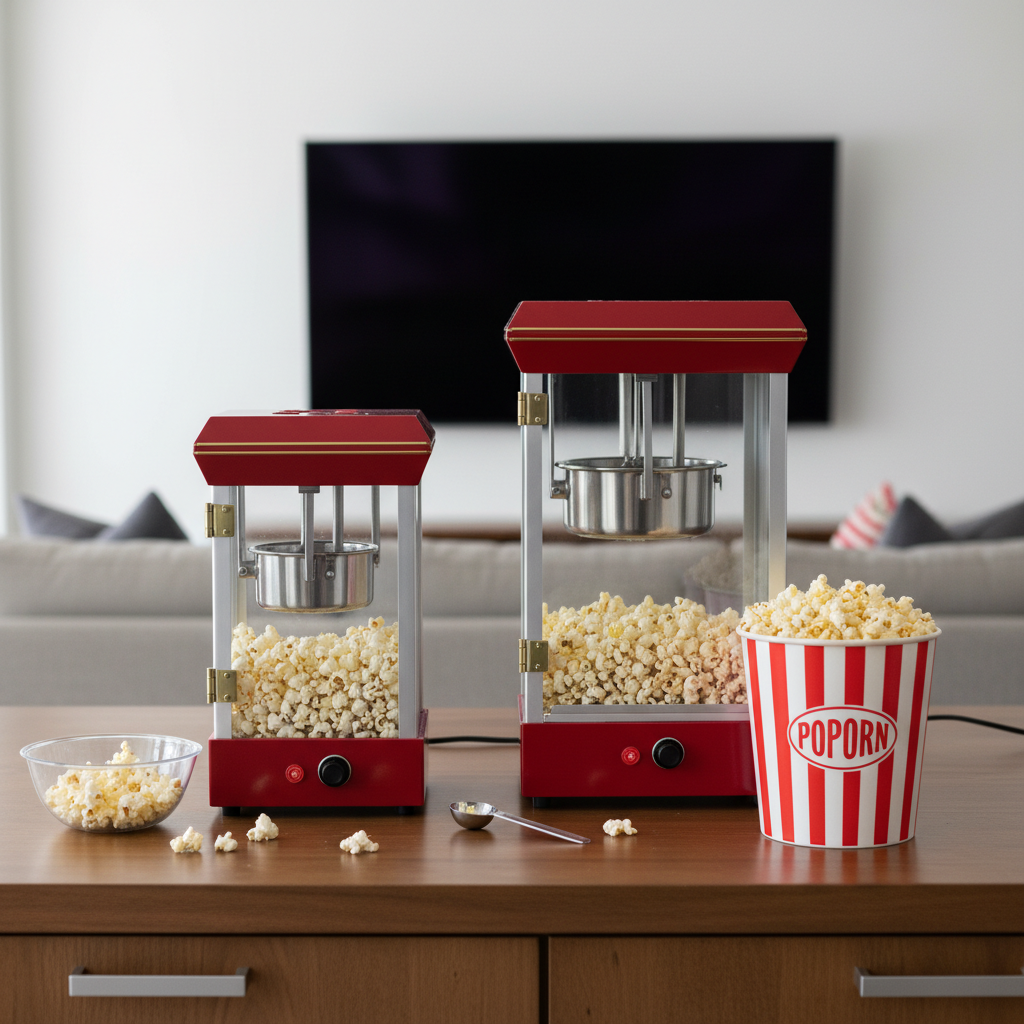
As an experienced technician in home appliances, especially popcorn makers, and the Admin of ReviewHubz.com, I’ve seen firsthand how our snacking habits evolve. Popcorn, a beloved snack for generations, has earned a reputation as a relatively healthy option. But with various preparation methods available, a crucial question arises: how do different popping techniques, specifically kettle (oil-popped) versus hot air, impact the calorie count and overall nutritional value of your favorite crunchy treat? Understanding these differences is key to making informed choices for your health and diet.
Understanding Popcorn’s Nutritional Core
At its heart, popcorn is an unprocessed whole grain, making it a naturally beneficial snack. A simple kernel holds a wealth of nutrients, including essential dietary fiber, which aids digestion and promotes a healthy gut microbiome. Beyond fiber, popcorn is a source of antioxidants like polyphenols, along with various B vitamins, iron, and magnesium. However, the true nutritional story of popcorn is significantly shaped by how it’s prepared, as additives can swiftly transform a wholesome snack into a calorie-dense indulgence.
The Popping Methods: Kettle vs. Hot Air
The way popcorn is popped fundamentally alters its caloric and fat content. Two primary methods dominate home kitchens, each with distinct characteristics and nutritional outcomes.
Hot Air Popcorn Makers
|
Our Picks for the Best Popcorn maker in 2026
As an Amazon Associate I earn from qualifying purchases.
|
||
| Num | Product | Action |
|---|---|---|
| 1 | DASH Fresh Pop Popcorn Maker - Oil-Free, Air Popcorn Popper - With Measuring Cup & Recipe Guide - Perfect for Movie Nights - 16 Cups, Aqua |

|
| 2 | Elite Gourmet EPM330M Automatic Stirring 12-cup Popcorn Maker Popper, Hot Oil Popcorn Machine w/Measuring Cap & Built-in Reversible Serving Bowl, Great for Home Party Kids, Safety ETL Approved, Mint |
|
| 3 | West Bend Stir Crazy Movie Theater Popcorn Popper, Gourmet Popcorn Maker Machine with Nonstick Popcorn Kettle, Measuring Tool and Popcorn Scoop for Popcorn Machine, 4 Qt., Black |
|
| 4 | Elite Gourmet EPM145M 18-cup Hot Oil Stirring Popcorn Popper w/Measuring Cap & Reversible Serving Bowl & Butter Melting Tray, Great for Parties, Movie Night, Anytime Snack, Safety ETL Approved, Mint |
|
| 5 | Ecolution Patented Micro-Pop Microwave Popcorn Popper with Temperature Safe Glass, 3-in-1 Lid Measures Kernels and Melts Butter, Made Without BPA, Dishwasher Safe, 3-Quart, Red |
|
| 6 | Presto 04863 Poplite Hot Air Popcorn Popper - Built-In Measuring Cup + Melts Butter, Easy to Clean, Built-In Cord Wrap, 18 Cups, Red |
|
| 7 | West Bend Stir Crazy Hot Oil Popcorn Popper, Popcorn Maker Machine with Large Serving Bowl Lid and Stirring Rod Perfect for Movie Night Snack Time or Parties, 6-Quart, Red |
|
| 8 | Original Whirley Pop Popcorn Machine – 3-Minute Stovetop Popcorn Maker for Home Movie Snacks & Game Night – Wabash Valley Farms – Aluminum Pot With Nylon Gears – (Silver) |
|
| 9 | DASH Fresh Pop Popcorn Maker - Oil-Free, Air Popcorn Popper - With Measuring Cup & Recipe Guide - Perfect for Movie Nights - 16 Cups, White |
|
| 10 | VEVOR Commercial Popcorn Machine, 8 Oz Kettle, 850 W Countertop Popcorn Maker for 48 Cups per Batch, Theater Style Popper with 3-Switch Control Steel Frame Tempered Glass Doors 2 Scoops 2 Spoons, Red |
|
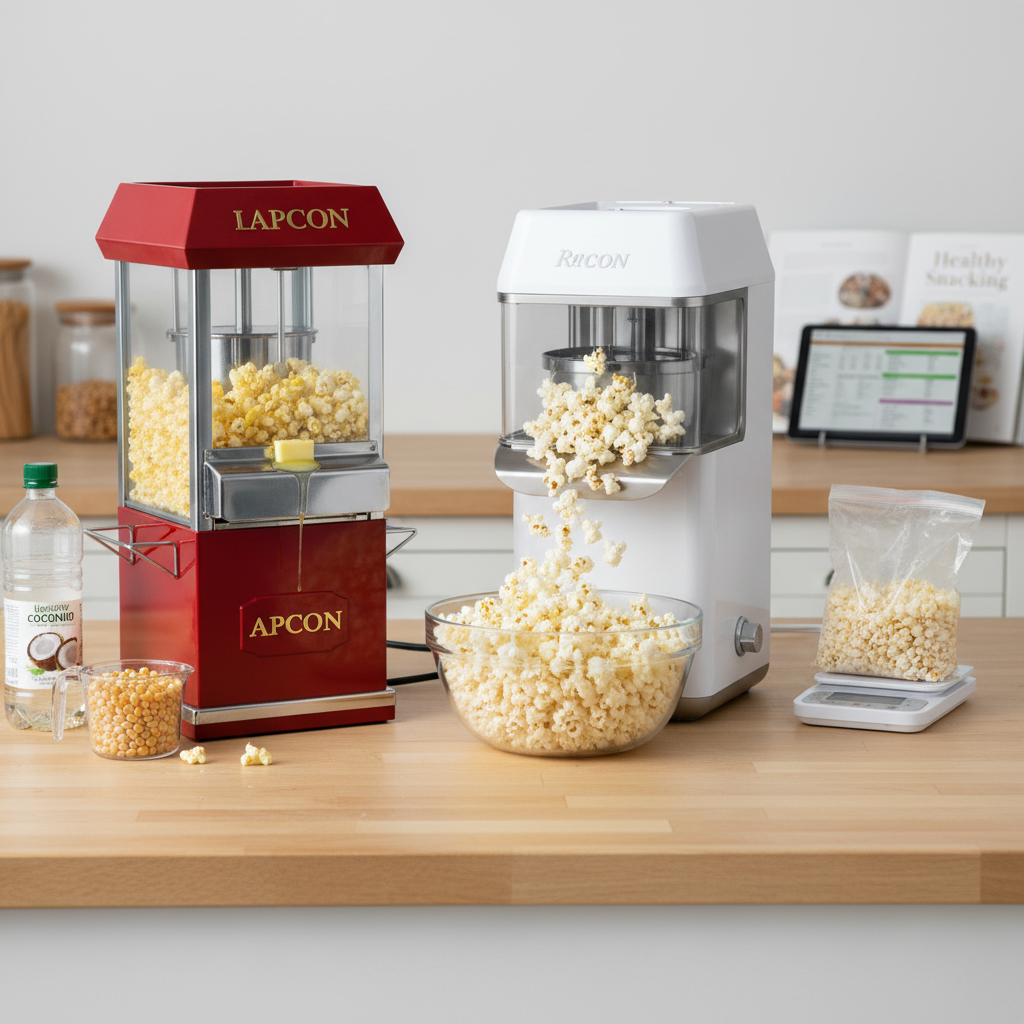
Hot air popcorn makers utilize a simple yet effective method: superheated air circulates around the kernels, causing them to pop without the need for any oil. This dry-popping technique is celebrated for creating a light, fluffy snack with a clean, unadulterated corn flavor. Since no oil is involved in the popping process, hot air popcorn is inherently lower in calories and fat, making it an excellent choice for health-conscious snackers.
Kettle Popcorn Makers (Oil-Popped)
Traditional kettle popcorn makers, often resembling stovetop pots or commercial-style machines, rely on oil to pop the kernels. A small amount of cooking oil, heated to the right temperature, ensures the kernels pop evenly and often imparts a richer flavor and slightly crispier texture. While this method can produce delicious results, the addition of oil inherently increases the calorie and fat content compared to air-popped versions. This method is often associated with the classic movie theater popcorn experience.
Microwave Popcorn: A Brief Mention
Microwave popcorn offers convenience but often comes with its own set of nutritional considerations. Pre-packaged bags frequently contain added oils, artificial flavors, and preservatives, which can significantly boost calorie counts, fat, and sodium. While some “light” versions exist, homemade hot air or stovetop popcorn often provides more control over ingredients.
Calorie Count Showdown: Air-Popped vs. Oil-Popped
When it comes to raw calorie numbers, the difference between air-popped and oil-popped popcorn is notable. Plain, air-popped popcorn contains approximately 30 calories per cup. This makes it an incredibly low-calorie snack, virtually fat-free with only about 0.1 grams of fat per cup.
In contrast, popcorn popped with oil, even without additional toppings, typically contains around 35 calories per cup. While seemingly a small difference per cup, this adds up quickly across multiple servings. The additional calories primarily come from the cooking oil used, which also contributes to a higher fat content.
The “hidden” calories can further escalate these figures. Lightly buttered popcorn can jump to approximately 80 calories per cup. Furthermore, specialty popcorn varieties like kettle corn, which is often prepared with sugar and salt (and sometimes oil), can have a significantly higher calorie count. While a cup of plain air-popped kettle popcorn might still be around 30 calories, commercial kettle corn or heavily sweetened versions can easily push calorie totals much higher, with some microwave bags exceeding 400 calories and large movie theater tubs reaching over 1,000.
Beyond Calories: Nutritional Impact
Focusing solely on calories doesn’t tell the whole story. The method of preparation profoundly impacts the broader nutritional profile of your popcorn.
The Good: Fiber and Whole Grains
Regardless of the popping method, popcorn remains a whole grain. This means it offers valuable dietary fiber, which is crucial for digestive health, blood sugar regulation, and feelings of fullness. Both air-popped and oil-popped popcorn, when consumed plain, contribute to your daily whole grain intake and provide antioxidants. Popcorn has a good glycemic index of 55, making it a suitable snack even for individuals managing blood sugar levels.
The Not-So-Good: Added Fats, Sugars, and Sodium
Where popcorn can turn from a super snack to a dietary pitfall is with the additions. Using excessive amounts of high-fat oils during popping, followed by generous toppings like butter, cheese powders, and sugary glazes, drastically increases not just calories but also unhealthy fats, saturated fats, and sodium. Kettle corn, with its signature sweet and salty coating, introduces a significant amount of sugar, which can contribute to weight gain and other health issues if consumed frequently. These additions can undermine popcorn’s natural health benefits, turning a fiber-rich whole grain into a less desirable snack option.
Comparison Table: Kettle vs. Hot Air Popcorn
| Feature | Hot Air Popcorn | Kettle (Oil-Popped) Popcorn |
|---|---|---|
| Calories (per cup, plain) | ~30 calories | ~35 calories |
| Fat (per cup, plain) | ~0.1g (virtually fat-free) | Higher due to cooking oil |
| Preparation | Hot air circulation, no oil required | Heated oil in a kettle or pot |
| Flavor Profile | Light, clean, pure corn taste; easily seasoned | Richer, sometimes crispier; flavor influenced by oil |
| Health Benefits | Excellent for weight management, highest fiber-to-calorie ratio, no added fats/sugars during popping | Good source of fiber; can be healthy if light on oil and toppings |
| Potential Drawbacks | Can be perceived as less flavorful without seasoning | Higher in calories and fat; easy to overdo with toppings |
Choosing Your Popcorn Method: Factors for a Healthier Snack
Deciding between kettle and hot air popcorn goes beyond a simple calorie count; it involves considering your health goals, taste preferences, and the level of control you desire over your ingredients.
Prioritizing Calorie Control
If your primary goal is to minimize calorie intake and fat, hot air popping is undeniably the superior choice. It provides the leanest base for your popcorn, allowing you to enjoy a substantial volume of snack for very few calories. This method is ideal for weight management or for those on a strict dietary regimen.
Flavor and Texture Preferences
Some people find the texture and richness of oil-popped popcorn more satisfying. If you prefer this method, using a healthy oil sparingly (like coconut oil or avocado oil) and carefully measuring the amount can help mitigate the increase in calories and unhealthy fats. The key is moderation in oil and toppings.
Ingredient Control
The beauty of making popcorn at home, regardless of the method, is the unparalleled control over ingredients. You can choose high-quality kernels, select healthier oils, and experiment with natural seasonings. This level of customization ensures you know exactly what you’re consuming.
Machine Type Considerations
An air popper is an excellent investment for anyone committed to healthy snacking, offering efficiency and simplicity. For those who enjoy the ritual of stovetop popping, a good heavy-bottomed pot can serve as a “kettle” popper, allowing you to manage oil usage carefully.
Top Tips for Healthier Popcorn Snacking
Even with the convenience of popcorn makers, a few simple strategies can significantly enhance the nutritional value of your snack.
- Opt for an Air Popper: This is the easiest way to ensure your popcorn starts as a low-calorie, fat-free base.
- Measure Oil Carefully: If using an oil-popping method, measure the oil precisely, rather than pouring freely. Use healthy oils known for high smoke points.
- Embrace Natural Seasonings: Instead of butter or sugary glazes, experiment with spices like chili powder, smoked paprika, nutritional yeast (for a cheesy flavor), cinnamon, or a light sprinkle of sea salt.
- Practice Portion Control: Even healthy snacks can contribute to excess calories if consumed in vast quantities. Use a measuring cup to keep portions in check.
- Add Protein or Fiber: Boost the snack’s satiety by pairing popcorn with a small amount of nuts or seeds, or a piece of fruit.
Mastering Your Popcorn: Usage and Storage Tips
Proper usage and maintenance of your popcorn maker, along with smart storage, contribute to both the longevity of your appliance and the quality of your snack.
For air poppers, ensure the machine is clean before each use to prevent residue buildup, which can affect performance and taste. With kettle or stovetop methods, always use the recommended amount of oil and never leave the machine unattended. After popping, allow your machine to cool before cleaning according to the manufacturer’s instructions.
Store unpopped kernels in an airtight container in a cool, dry pantry. This prevents them from drying out, which can lead to unpopped kernels (“old maids”). Popped popcorn is best enjoyed fresh, but if you have leftovers, store them in an airtight container to maintain crispness and prevent staleness.
“Popcorn, in its purest form, is a fantastic whole grain snack. It’s the additions – the excessive oils, sugars, and salts – that transform it into something less healthy. Choose your popping method and toppings wisely.” – Sarah Jenkins, RDN, Clinical Nutritionist
Conclusion
The debate between kettle and hot air popcorn ultimately comes down to a balance of taste preference and health priorities. While both methods can yield delicious results, hot air popcorn emerges as the clear winner for those seeking the lowest calorie and fat content, offering a truly wholesome whole-grain snack. Kettle popcorn, while slightly higher in calories due to oil, can still be a healthy choice when prepared with care and consumed in moderation. By understanding the nutritional impact of each method and consciously choosing your ingredients, you empower yourself to enjoy this versatile snack guilt-free. Which method will you choose to craft your next perfect batch of popcorn?
Frequently Asked Questions
Is air-popped popcorn really healthier than oil-popped?
Yes, air-popped popcorn is generally healthier as it uses no oil, resulting in fewer calories and less fat per serving compared to oil-popped varieties. It maintains all the whole-grain benefits without the added fats.
How many calories are in a cup of plain air-popped popcorn?
A single cup of plain, air-popped popcorn contains approximately 30 calories. This makes it an excellent choice for a low-calorie, high-fiber snack that can fit into most healthy eating plans.
Can I make healthy popcorn using a stovetop kettle method?
Yes, you can make relatively healthy popcorn on the stovetop by using a minimal amount of healthy oil, such as coconut or avocado oil, and avoiding excessive butter or sugary toppings. Ingredient control is key for this method.
What are the best healthy seasonings for popcorn?
For healthy seasoning, consider options like nutritional yeast for a cheesy flavor, various herbs and spices (paprika, chili powder, garlic powder), a light sprinkle of sea salt, or even a dash of cinnamon for a sweet note without added sugar.
Is kettle corn considered a healthy snack option?
While the base popcorn is healthy, traditional kettle corn often includes added sugar and salt, significantly increasing its calorie and carbohydrate content. It should be consumed in moderation as an occasional treat rather than a regular healthy snack.
Does popcorn have any fiber benefits?
Absolutely! Popcorn is a whole grain and an excellent source of dietary fiber. Fiber promotes digestive health, helps regulate blood sugar levels, and contributes to a feeling of fullness, which can aid in weight management.